Dextra Light
Professional Portable & Industrial UV Products
Engineered with precision wavelengths and high efficiency, our primary range guarantees optimal pathogen deactivation and curing solutions.
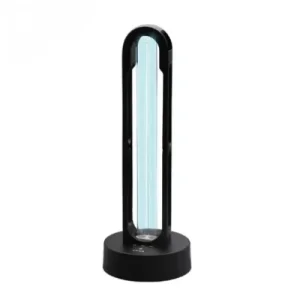
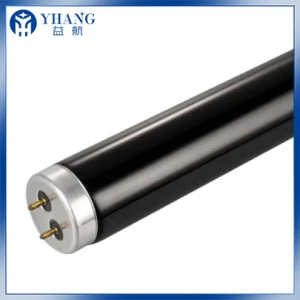
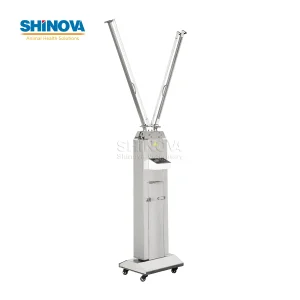
1. The Global Landscape of Handheld UV-C & USB Rechargeable Wands
In recent years, the market for localized sterilization has undergone a profound paradigm shift. Pathogen awareness, fueled by public health crises, has prompted municipal, industrial, commercial, and household sectors to seek direct-application disinfection technologies. Among these, the USB rechargeable UVC wand has transitioned from a niche sanitation gadget into an essential diagnostic and maintenance tool for sterilization.
In the global industrial sector, sterilization efficacy relies heavily on dose delivery—calculated as irradiance ($ \mu\text{W/cm}^2 $) multiplied by time (seconds). Standard stationary sanitizers often fail to target complex, high-touch geometries such as medical control consoles, micro-instrumentation, and vehicle cockpits. Handheld, battery-operated, rechargeable UV wands fill this critical structural gap. Incorporating advanced lithium-ion battery management systems (BMS) with high-density light-emitting diodes (LEDs) or miniature mercury arc tubes, these wands provide on-demand pathogens elimination (including SARS-CoV-2, Escherichia coli, and MRSA) within seconds.
"According to industrial health standards, achieving a Log-3 (99.9%) microbial reduction of resilient bacterial spores requires a uniform UV-C density of 254nm or 275nm radiation. Modern rechargeable USB wands eliminate the constraints of power grids, enabling rapid, targeted sanitation of critical work areas."
From a market distribution perspective, China has established itself as the center of UVC technology manufacturing, driving research and production. Factories like Zhongshan Dextra Lights Technology Co., Ltd. lead this evolution by combining advanced microelectronics with optical chamber design. Our facilities support the global supply chain by ensuring that portable sterilization technologies comply with strict regulatory frameworks, including CE, FCC, RoHS, and EPA requirements.
Engineered Capabilities & Factory Advantages
Why global B2B buyers trust Dextra Lights for OEM, ODM, and bulk procurement of UV disinfection devices.
Advanced Production Capacity
Four automated production lines and 36 high-speed VPM placement machines support efficient, scalable, and high-precision manufacturing.
Rigorous Quality Assurance
Every product batch undergoes spectroscopic testing and irradiance mapping, complete with comprehensive inspection reports for international compliance.
Established Global Supply
Serving over 80 countries across Europe, the Americas, the Middle East, and Southeast Asia with robust distribution and local support networks.
2. Technology Roadmap & Future Trends in Portable UV Sanitization
The portable disinfection sector is moving rapidly toward semiconductor-based solid-state lighting (SSL). Traditional low-pressure mercury vapor lamps emit primarily at 253.7nm, which is highly germicidal but poses safety risks due to potential mercury leakage and ozone generation. USB rechargeable UV wands are increasingly adopting AlGaN (Aluminum Gallium Nitride) based UVC-LEDs. These chips allow for a compact form factor, instant-on performance, and lower heat emission.
Key Industrial Trends Shaping the UVC Industry:
- Wavelength Tuning and Dual-Core Emitters: Combining 270nm-280nm UVC LEDs for DNA disruption with 365nm-405nm UVA LEDs for photocatalytic cleaning and wood curing processes.
- Miniaturized 222nm Excimer Technology: Often called "Far-UVC," this wavelength is highly effective against pathogens but safe for human skin and eyes, presenting new opportunities for handheld sterilization.
- Smart Safe Integration: Incorporating gravity sensors, gyroscopes, and proximity radar to automatically shut off the UV light if the device is pointed upward, protecting users' eyes.
- Enhanced Lithium-Ion Battery Density: Adopting USB Type-C PD (Power Delivery) protocols that enable fast charging, ensuring wands can remain in service with minimal downtime.
To meet these technical demands, R&D budgets must focus on thermal management. Solid-state UVC LEDs convert only a small percentage of electricity into light, with the rest dissipated as heat. Effective thermal designs, utilizing copper core PCBs and premium aluminum casings, prevent heat buildup and maintain consistent germicidal output over the product's lifespan.
Zhongshan Dextra Lights Technology Co., Ltd.
A Leading High-Tech Enterprise in Multi-Purpose LED Displays & Specialized UV Solutions.
Established in March 2012, Zhongshan Dextra Lights Technology Co., Ltd. is a high-tech private enterprise specializing in the research, development, production, and sale of multi-purpose LED display screens and excimer UV lamps. With an initial capital investment of 10 million RMB and a modern facility covering 9,000 square meters, we employ more than 120 skilled personnel. Our operations are supported by a well-equipped R&D center, a modern production hub, and technical engineering test centers staffed by 10 professional industry specialists.
Our core R&D team brings over 15 years of experience in the RGB display and UV industries. Operating 4 automated production lines and 36 high-speed placement machines, we deliver high precision and volume scalability. Last year, our sales reached RMB 270 million, with UV products representing 37.8% of total revenue. Backed by 50 national patents, innovation is the foundation of our company's growth.
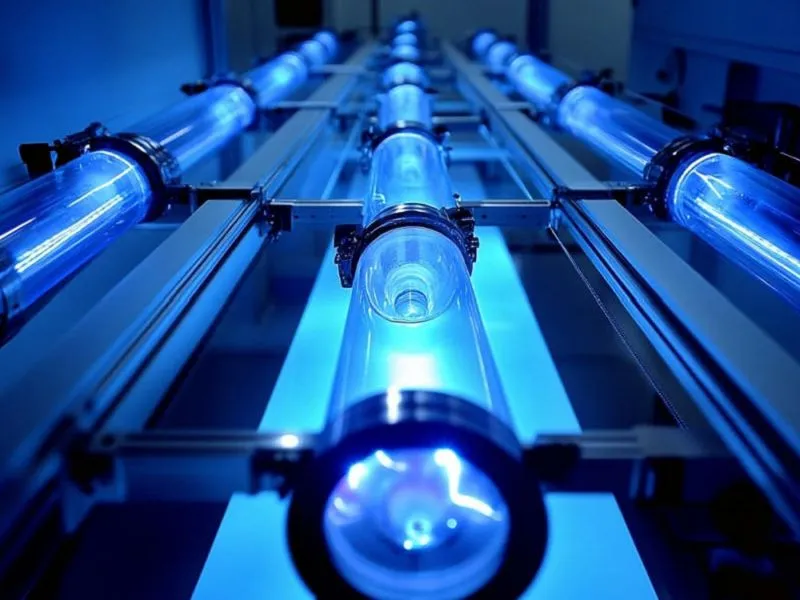
Our complete sales and service network covers more than 80 countries and regions, including Europe, North and South America, the Middle East, Africa, and Southeast Asia. We maintain a high annual sales growth rate exceeding 9.2% in our UV division.
Our product lines serve diverse applications, ranging from indoor and outdoor LED displays to maternal/infant disinfection products, pet sanitation devices, UV air purification systems, and UV industrial curing machinery. We analyze each client's target market and regulatory requirements to deliver optimized, tailored products.
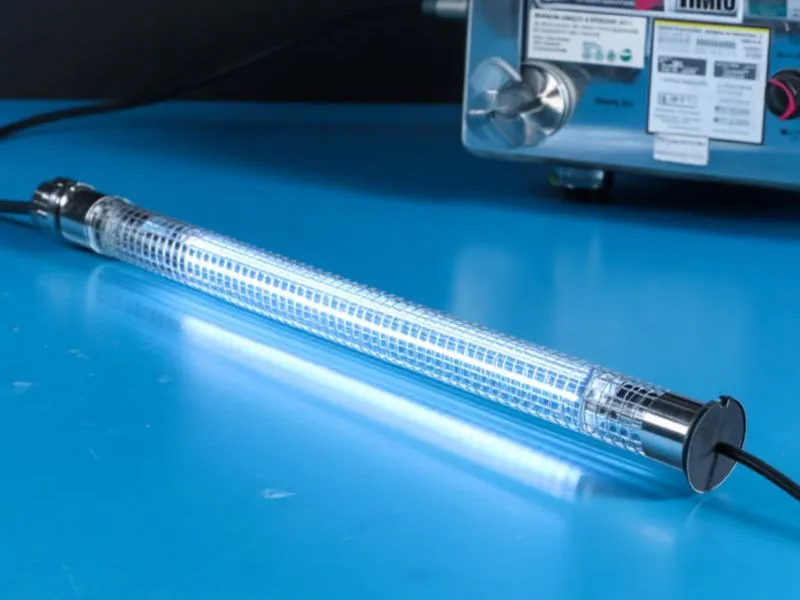
3. Localized Industrial & Commercial Applications for UV Wands
The utility of rechargeable UV wands extends far beyond basic domestic cleaning. Diverse industries rely on portable germicidal radiation to maintain sanitary conditions and ensure process reliability.
Key Application Areas Include:
- Healthcare & Laboratory Settings: Mobile sanitizing units sterilize control panels, test tubes, surgical carts, and diagnostic equipment. They safely treat sensitive areas where chemical disinfectants might damage electronics or leave residues.
- Hospitality & Office Spaces: Facilities departments use UV-C wands to rapidly clean workspaces, keyboards, conference tables, and hotel rooms, helping prevent seasonal virus transmission.
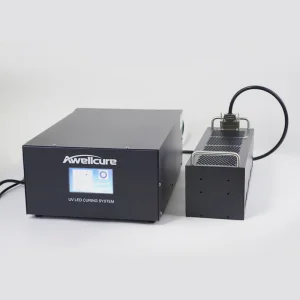
- Electronics and Automotive Manufacturing: Handheld curing devices operate at specific wavelengths (e.g., 365nm) to dry adhesives and protective coatings on circuit boards and dashboard components.
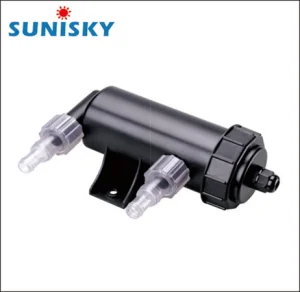
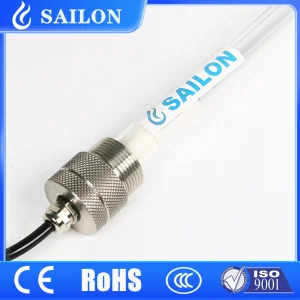
- Aquatic Environments & Agriculture: Portable ultraviolet sterilizers help control pathogens in aquariums, koi ponds, and small-scale water purification systems, preventing algae blooms and fish diseases.
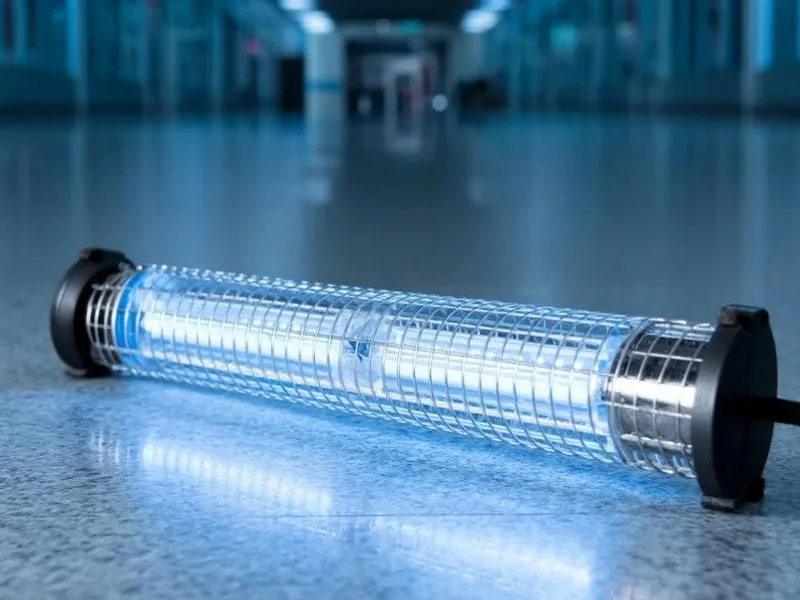
By selecting specific wavelengths (typically 254nm for DNA/RNA destruction and 365nm for photo-polymerization), our clients can optimize their cleaning protocols. Zhongshan Dextra Lights provides technical consultations to help buyers match the right wavelength and power density to their operational requirements.
4. Macro Industrial Solutions: Tailored OEM/ODM Frameworks
As a major supplier, Dextra Lights offers structured solutions for corporate clients, wholesale distributors, and brand owners seeking to expand their portable UV product portfolios:
1. Tailored Design & Mechanical Integration (ODM)
Our design team converts concept drawings into functional prototypes within weeks. We customize casing materials (using impact-resistant polymers or anodized aluminum), implement safety sensors, and program battery indicators to match your brand requirements.
2. Spectrum Allocation and Optical Engineering
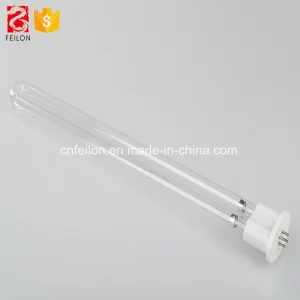
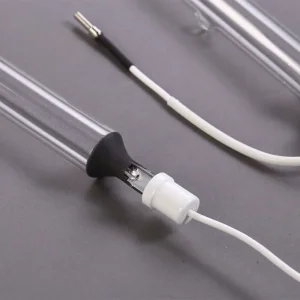
Depending on the target application, we configure the light source with low-pressure mercury bulbs, standard UVC LEDs, or advanced 222nm excimer lamps, ensuring optimal light distribution and sanitizing performance.
3. Global Certification and Safety Compliance
We assist clients with international regulatory testing. Our products are designed to meet CE, RoHS, FCC, and EPA requirements, facilitating smoother customs clearance and market entry.
Frequently Asked Questions (FAQ)
Technical and operational answers for industrial purchasers and distributors.
What is the optimal wavelength for pathogen disinfection?
The peak absorption wavelength for microbial DNA and RNA is approximately 260nm to 265nm. Traditional mercury vapor lamps emit at 253.7nm, while modern solid-state UVC LEDs operate between 270nm and 280nm. Both ranges effectively disrupt pathogen genetic material, preventing reproduction.
Are Far-UVC 222nm lamps safe for human exposure?
Yes. Research indicates that 222nm light generated by excimer lamps cannot penetrate the outer stratum corneum layer of human skin or the tear layer of the eye. This allows it to neutralize microbes while reducing the safety risks associated with traditional 253.7nm exposure.
How does the battery capacity affect wand operations?
Our rechargeable wands utilize lithium-ion batteries ranging from 2000mAh to 5000mAh. A single charge provides between 2 and 5 hours of continuous operation. Integrated USB Type-C fast charging supports a full recharge in 1.5 to 3 hours.
What is the typical lifespan of UVC LEDs compared to mercury tubes?
UVC LED chips have a typical operating life of 10,000 to 20,000 hours, and their lifespan is unaffected by frequent power cycles. Mercury tubes last between 8,000 and 12,000 hours but degrade more quickly if turned on and off frequently.
Do your UV-C sterilization wands generate ozone?
We offer both options. Ozone-free models use specialized quartz glass that filters out the 185nm wavelength responsible for ozone production, emitting only 253.7nm light. Ozone-generating models are available for applications requiring deodorization and treatment of hard-to-reach areas.
What quality testing processes do you use?
Every production batch undergoes spectral distribution testing, high-voltage insulation tests, battery aging cycles, and drop tests. We provide comprehensive optical mapping and conformity certificates to B2B buyers prior to shipment.
Specialized Aquarium, Industrial Curing & High-Power UV Solutions
Designed for commercial, manufacturing, and aquatic environments requiring durable and consistent ultraviolet performance.