Dextra Light
Competitive Industrial Portable UV Light Sterilize Lamp Manufacturer Low Price LED UV Sterilization Lamp
Product Description
📋 Basic Information
💡 Product Overview
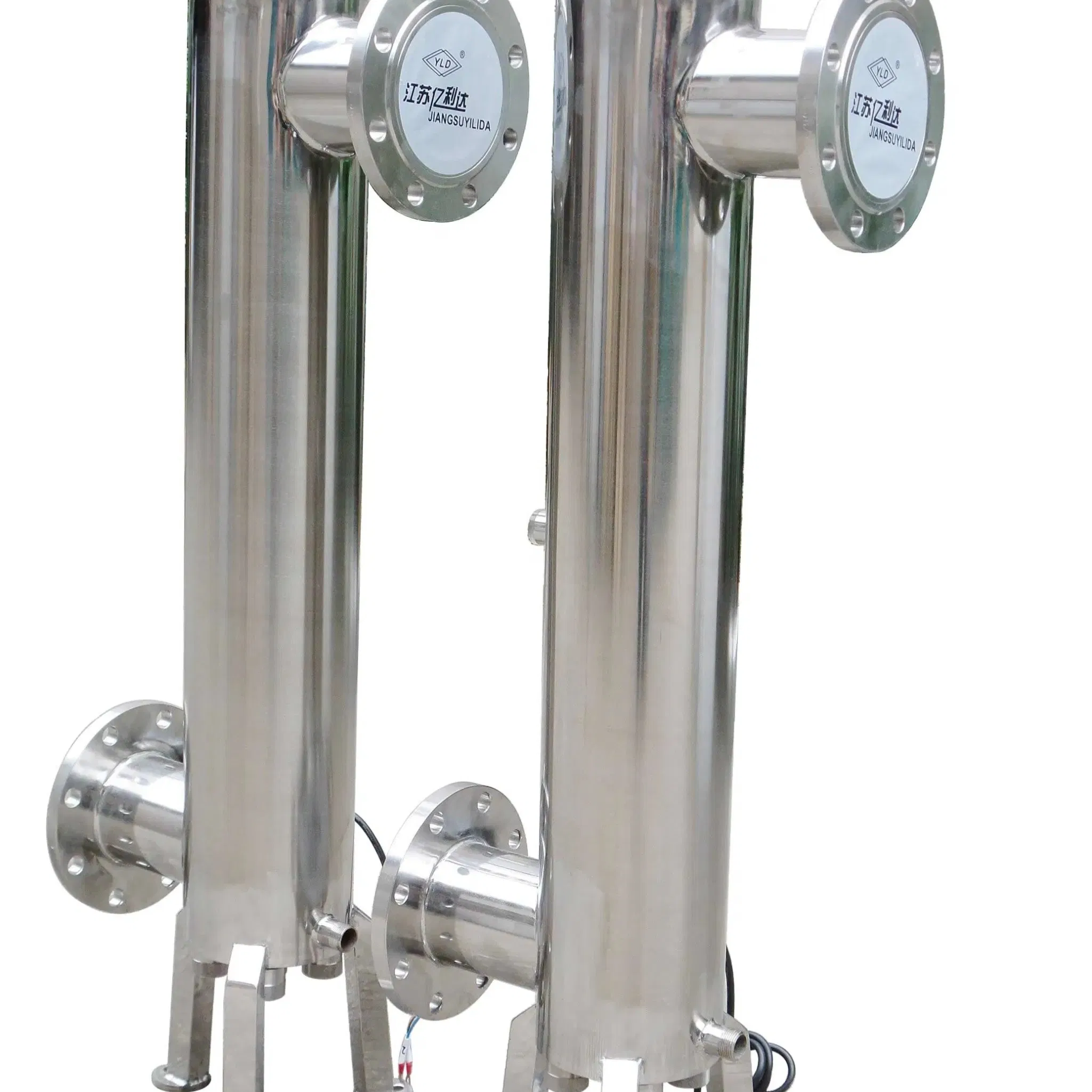
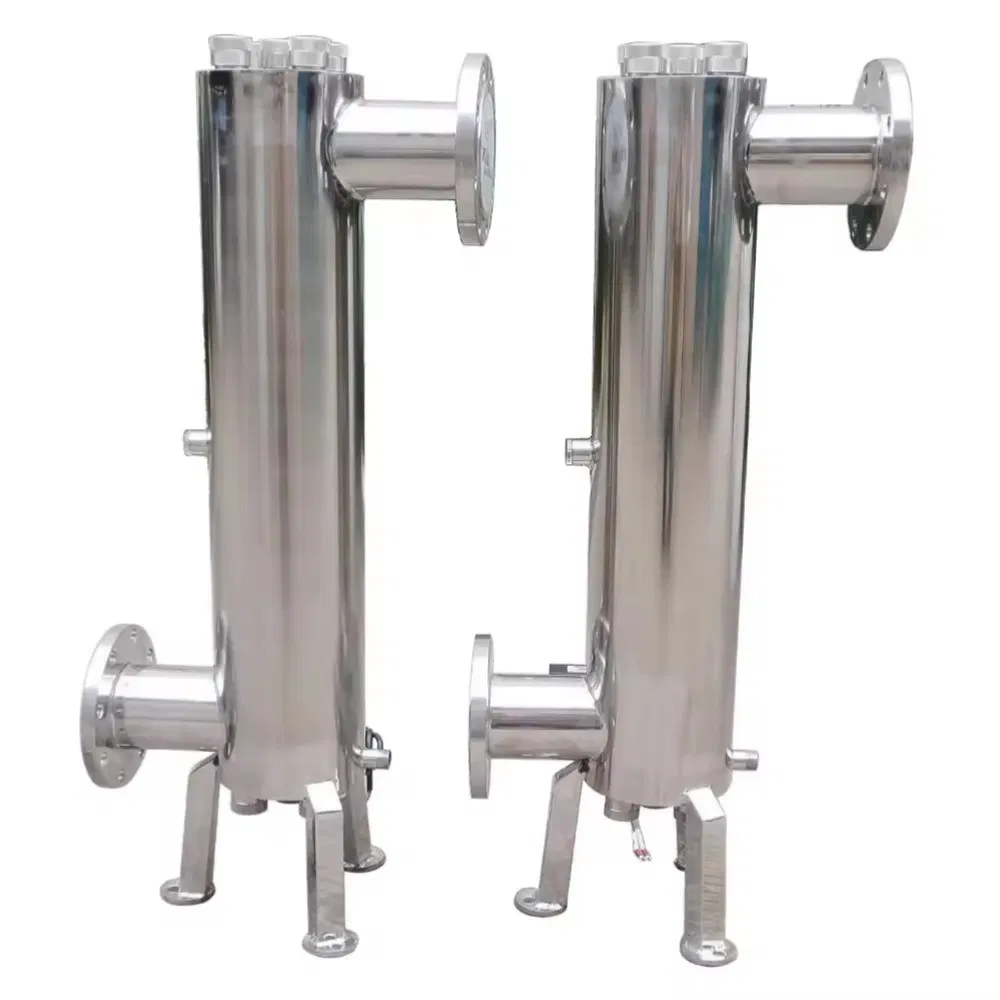
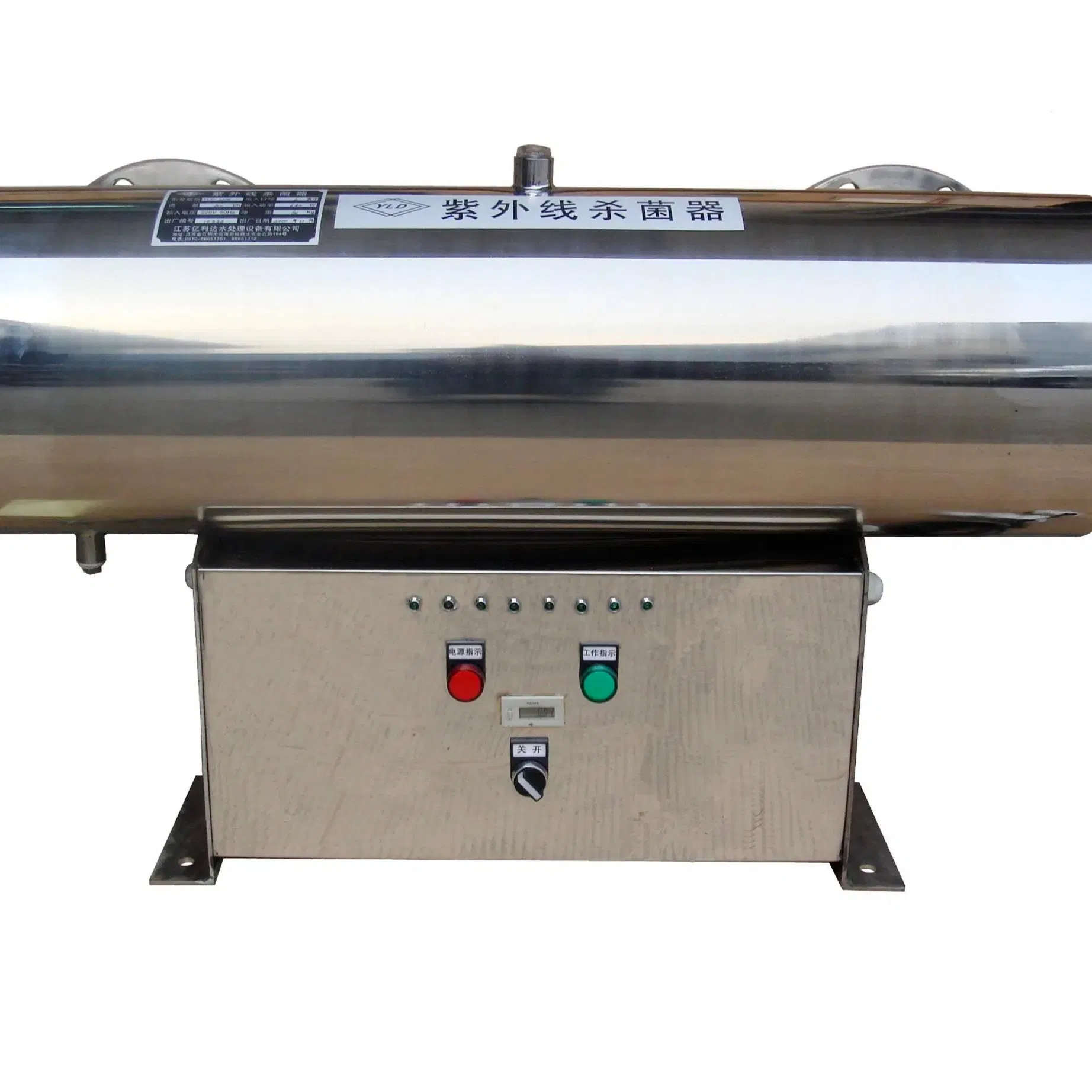
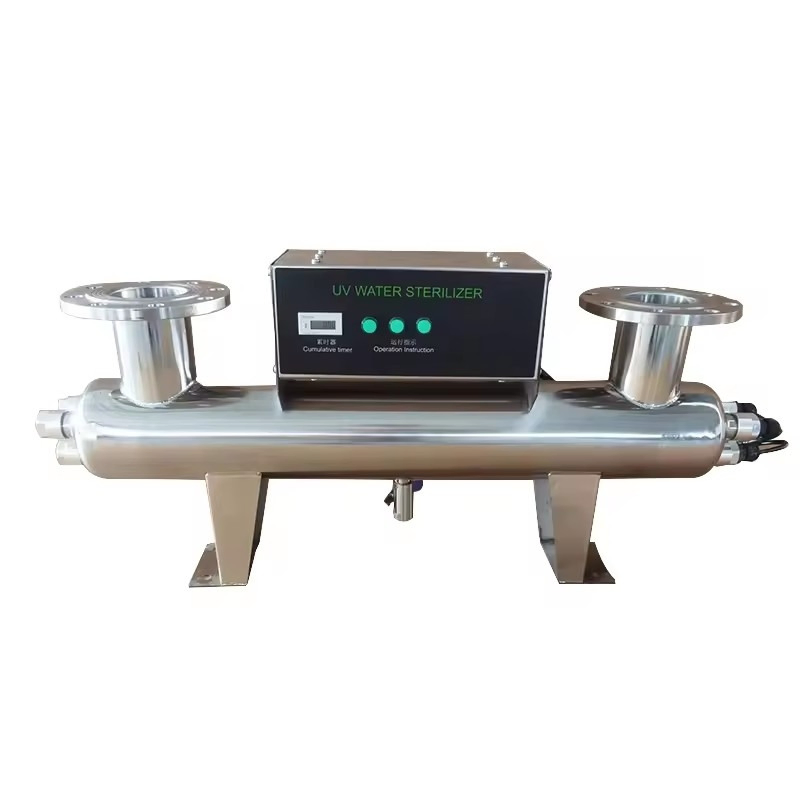
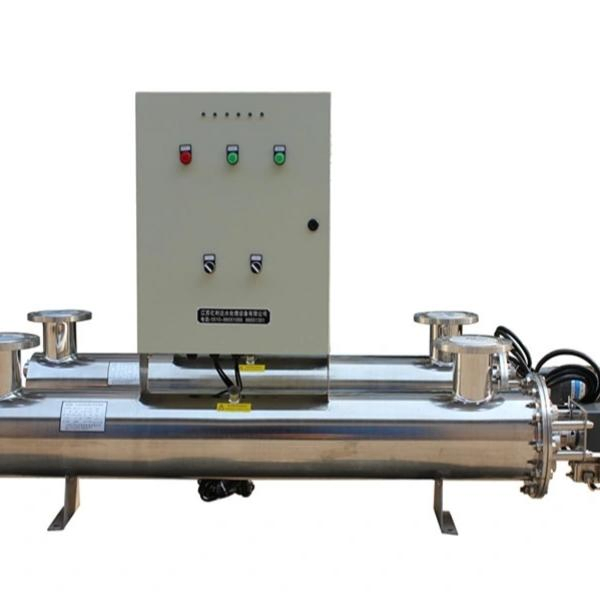
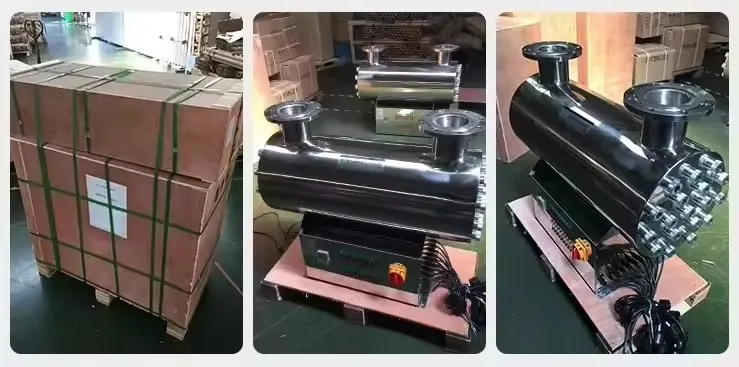
Ultraviolet water treatment systems (UV sterilisers) effectively eliminate bacteria in water. These systems are essential for ensuring safe drinking water from wells, springs, and borehole supplies. Due to rigorous standards, they are now a staple in food and beverage related industries.
Microorganisms including bacteria, viruses, and cysts are naturally occurring. While many are harmless, exposure to pathogenic ones can cause severe illness. UV treatment is one of the safest disinfection methods as it utilizes natural sunlight components without adding harmful chemicals or altering water taste.
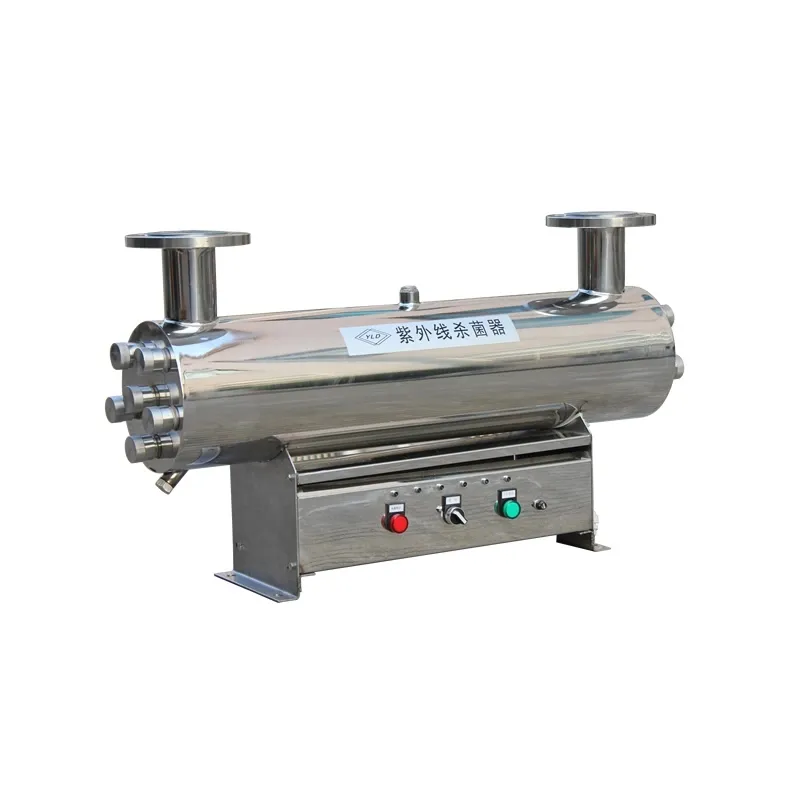
What does a UV sterilizer do?
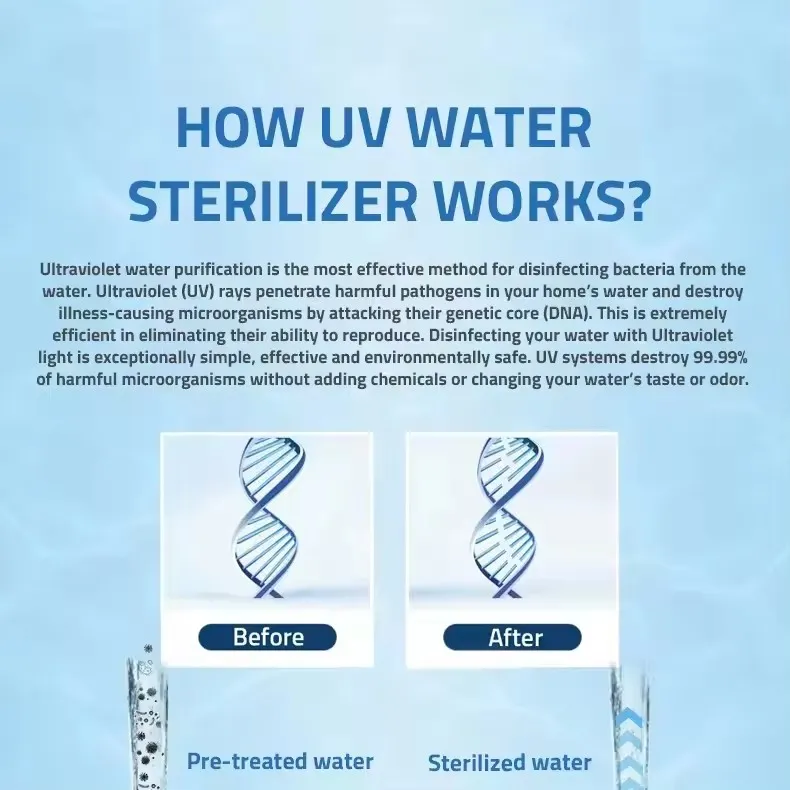
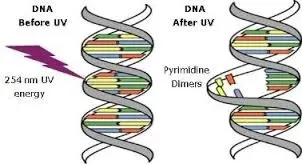
A UV sterilizer controls infections by stopping the spread of microorganisms through water. It is widely used in industrial water treatment and pond applications to control free-floating algae. The UV light mutates the DNA of bacteria and algae, preventing them from multiplying.
🚀 Industrial Applications
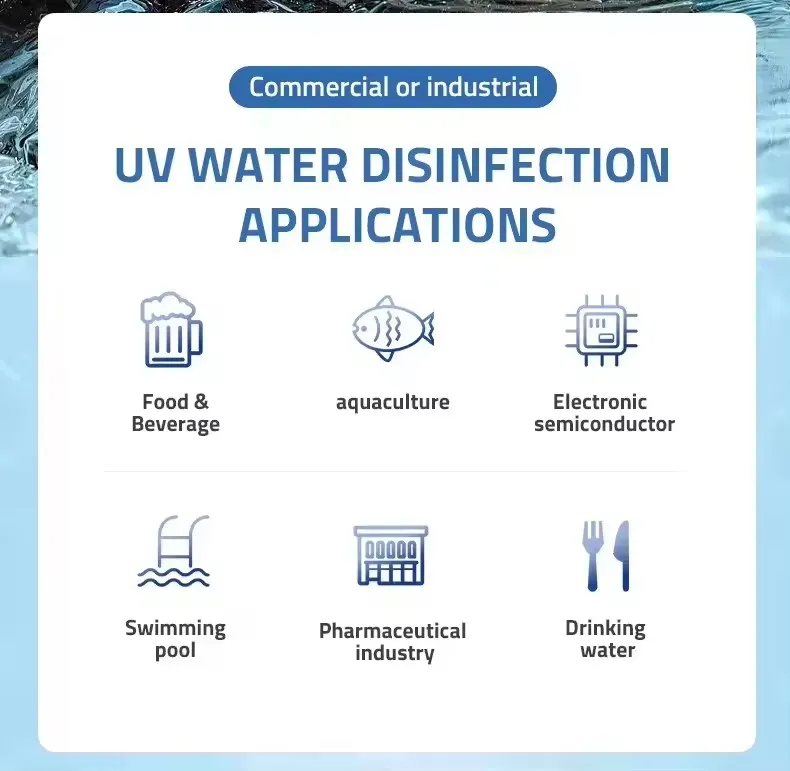
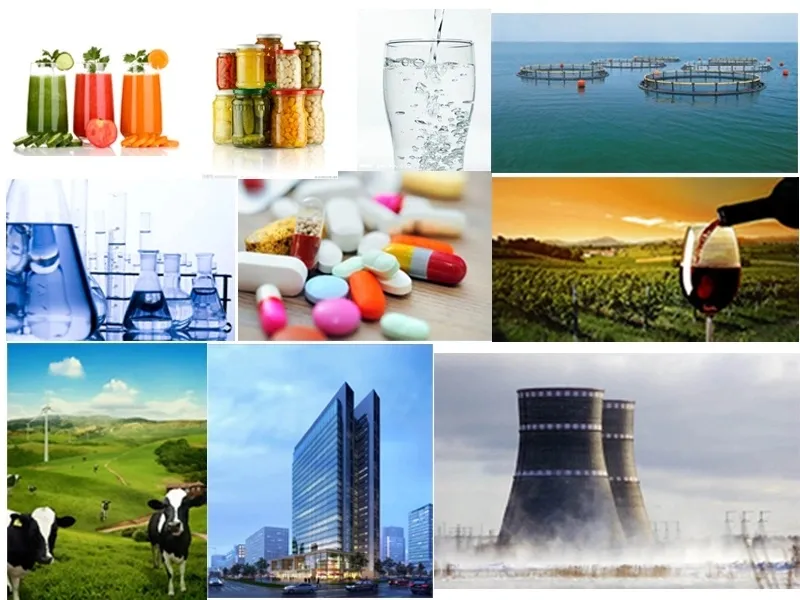
- Food processing industry: juices, milk, beverages, and canned food.
- Hospitals and laboratory pathogenic water disinfection.
- Residential buildings, hotels, and restaurants.
- Urban wastewater and swimming pool disinfection.
- Industrial cooling water for power plants and AC systems.
- Aquaculture, seawater, and freshwater breeding.
⚙️ Principle of Operation
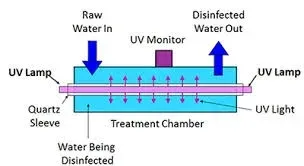
The system is designed to provide an optimal germicidal dosage. Dosage is a function of UV Intensity × Exposure Time. Exposure time is determined by the flow rate; lower flow rates ensure higher exposure and more thorough disinfection.
Water Quality Requirements: For maximum effectiveness, incoming water should have low iron content (Less Than 0.3 Mg/Liter) and minimal turbidity to allow UV rays to penetrate effectively.
🛡️ Quality & Manufacturing
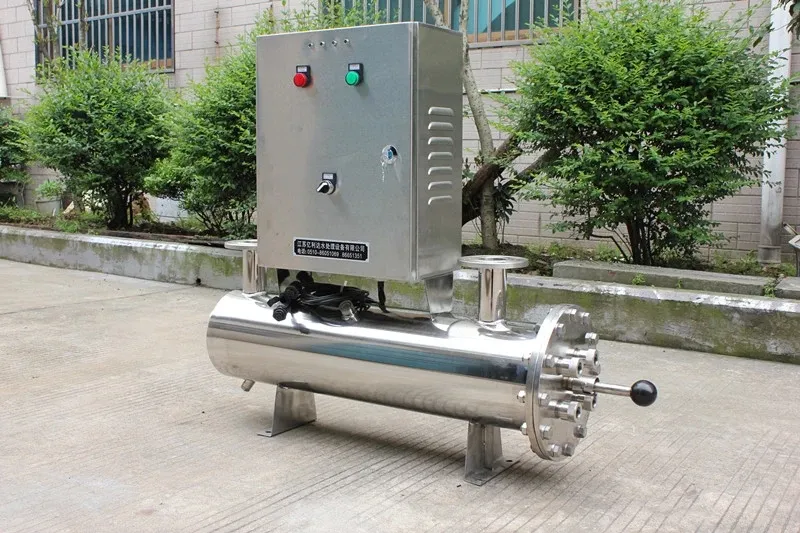
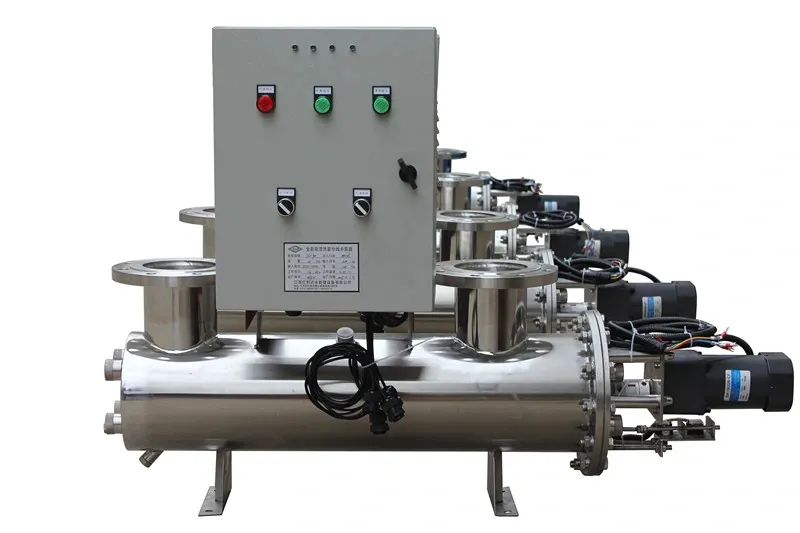
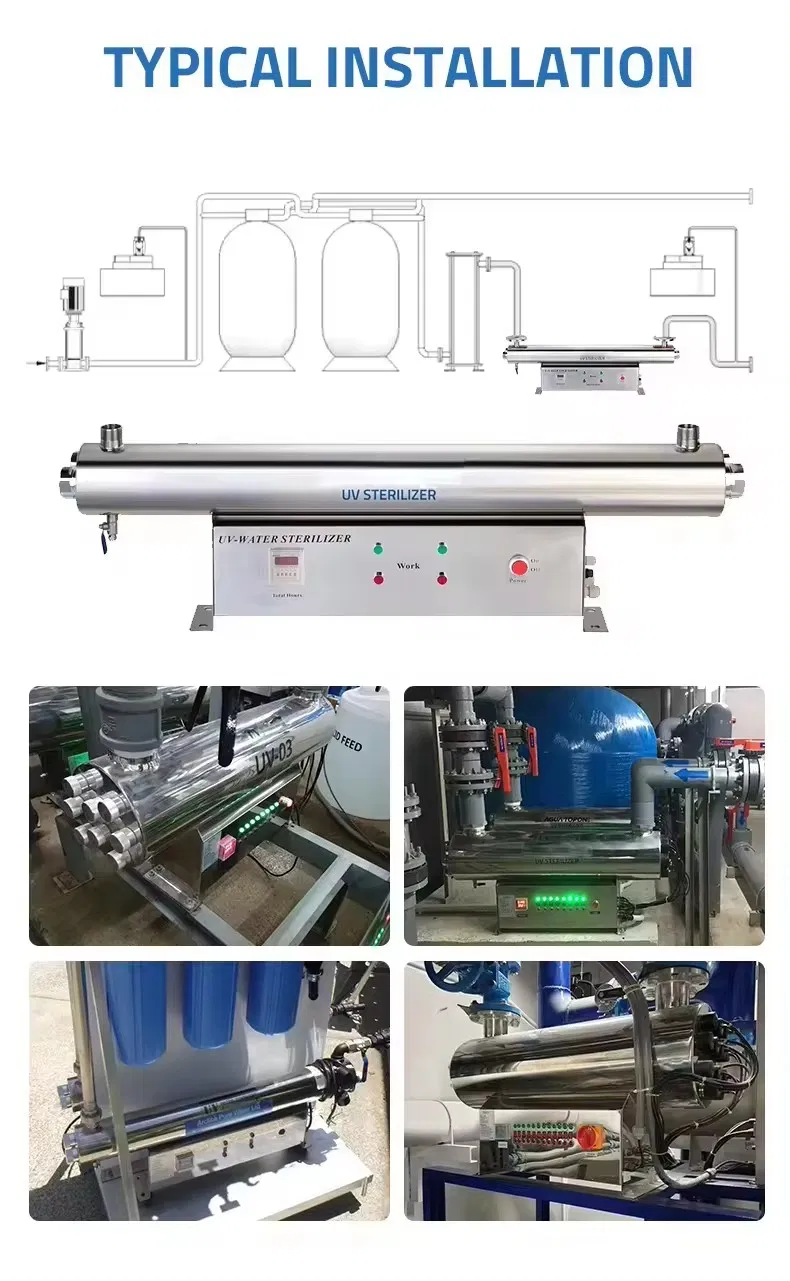
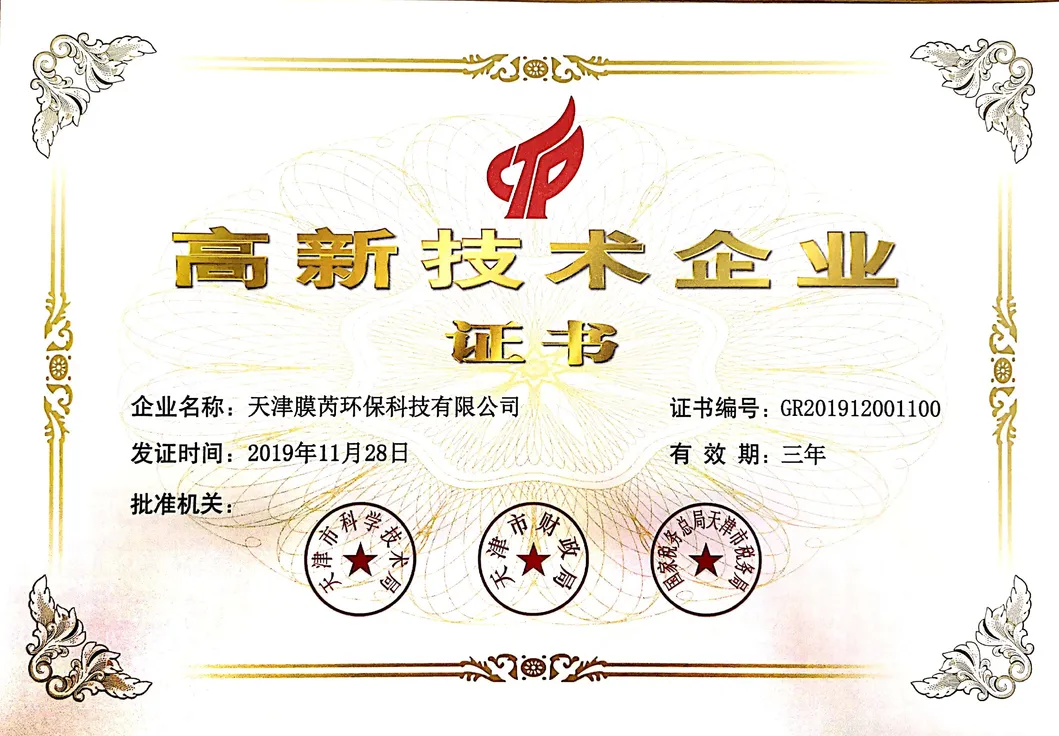
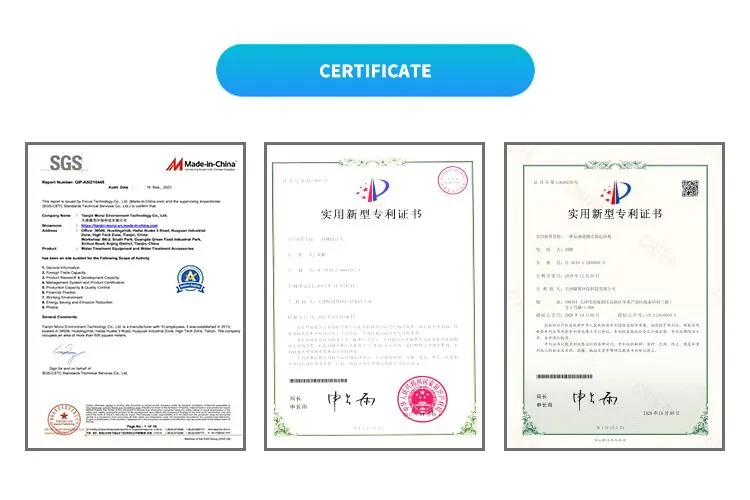
Our solutions are widely used in MF, UF, and RO systems, catering to sewage treatment, high-pressure desalination, and chemical industries. All products comply with international standards including GB, ASTM, DIN, and JIS.
❓ Frequently Asked Questions
The UV light produces a specific wavelength (254nm) that penetrates the cell walls of microorganisms and mutates their DNA. This prevents them from growing or multiplying, effectively rendering them harmless.
No. Unlike chemical disinfection (like chlorine), UV treatment is a physical process. It does not add any chemicals, so the taste, color, and odor of the water remain unchanged.
The system usually requires periodic cleaning of the quartz sleeve and annual replacement of the UV lamp to ensure the intensity remains at germicidal levels.
Yes, our industrial units can handle flow rates from 1 up to 500 cubic meters per hour, depending on the specific model and configuration chosen.
Yes, UV light is highly effective against a wide range of free-floating microorganisms, including viruses, bacteria, and algae, provided they are exposed to the light within the chamber.
For optimal performance, the water should be relatively clear. We recommend an iron content of less than 0.3 mg/liter and low turbidity to ensure the UV rays can travel through the water without being blocked.