 Dextra Light
💡 High-Performance Industrial UV Components for North Korea
🌐 The Strategic Evolution of UV Technology in Industrial Modernization
In the contemporary industrial landscape, ultraviolet (UV) technology has transitioned from a niche auxiliary component to a critical infrastructure pillar. For emerging industrial markets like North Korea, the integration of advanced UV replacement lamps represents a leapfrog opportunity in public health, municipal safety, and high-precision manufacturing. Ultraviolet C (UV-C) radiation, specifically in the 254nm and 222nm wavelengths, provides a non-chemical, residue-free disinfection method that is essential for water treatment plants and food processing facilities.
North Korea: Industrial Status & UV Demand Analysis
Historically, North Korea’s industrial hubs, including the Nampo and Kaesong areas, have focused on textile production, metallurgical processing, and chemical manufacturing. As these sectors modernize, the demand for UV curing systems (for printing and coating) and industrial germicidal lamps (for worker safety and product sterilization) has intensified. The primary challenge remains the acquisition of high-longevity, CE-certified components that can withstand voltage fluctuations and heavy-duty duty cycles.
Our strategic supply chain focuses on providing "Information Gain"—not just the hardware, but the technical calibration required to ensure these lamps integrate seamlessly with legacy and modern reactors. Whether it is municipal water purification for Pyongyang's expanding residential zones or air disinfection for centralized industrial hospitals, UV technology provides a sustainable path toward UN-aligned health standards.
🛠️ Global Industry Solutions: Beyond the Bulb
The global UV market is shifting towards Amalgam and Excimer technologies. As a leading manufacturer, Zhongshan Dextra Lights Technology Co., Ltd. addresses several macro-industrial challenges:
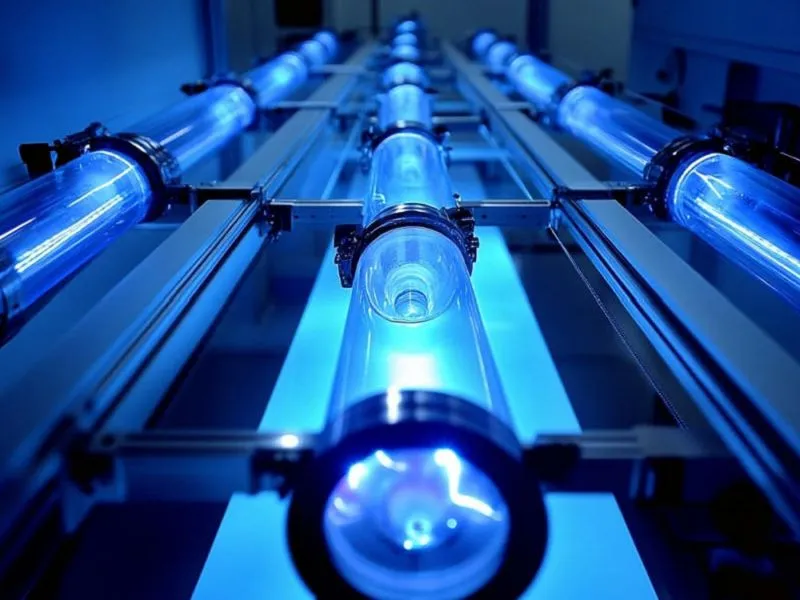
- Water Treatment: Replacing mercury-based lamps with high-output amalgam bulbs that offer up to 16,000 hours of effective life, reducing maintenance overhead in remote North Korea regions.
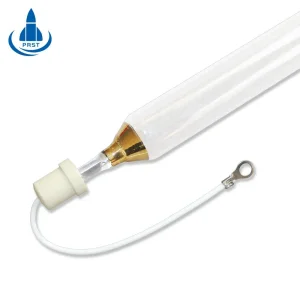
- Industrial Curing: Providing metal halide and medium-pressure UV lamps for high-speed printing lines, ensuring ink adhesion and scratch resistance in packaging industries.
- Public Health: G13 and G5 air disinfection lamps designed for HVAC integration, neutralizing airborne pathogens in densely populated environments.
🛡️ Localization Support & Compliance Assurance
For North Korean buyers and industrial procurers, compliance with international safety standards is paramount. All our UV replacement lamps undergo rigorous testing to meet CE Certification and ISO 9001 standards. We understand the logistical nuances of the region and provide detailed inspection reports with every batch, ensuring that the spectral output matches the original equipment manufacturer (OEM) specifications, such as Trojan, Aquafine, and Wedeco.
Our localized support includes customized spectral analysis. If your current system uses a 4-pin single-end configuration or an ozone-free 254nm bulb, our R&D team ensures the replacement part maintains the same ballast compatibility and arc length to prevent equipment downtime.
🏭 Manufacturing Excellence: Zhongshan Dextra Lights Technology
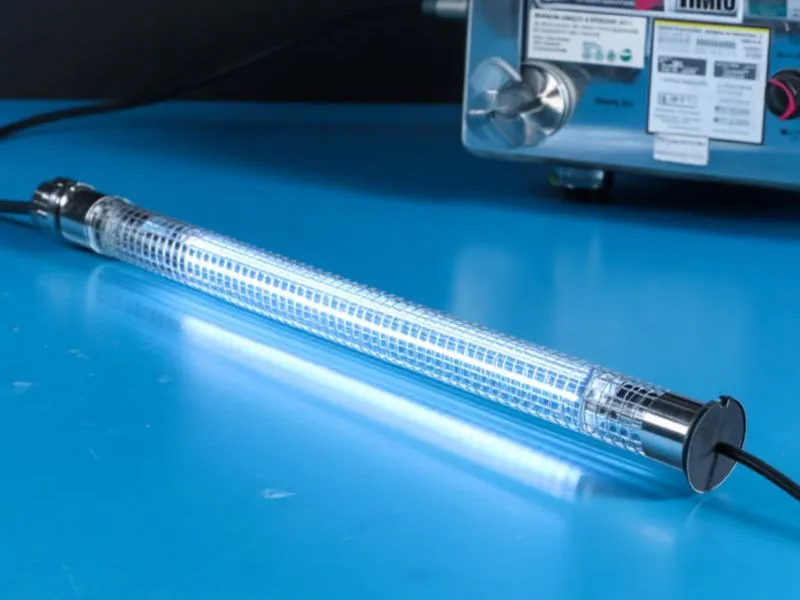
Established in 2012, Zhongshan Dextra Lights Technology Co., Ltd. has invested over 10 million yuan into a modern production center specializing in multi-purpose UV lamps and LED displays. Our facility features 4 automated production lines and 36 VPM high-speed placement machines, allowing us to maintain a scalable output for large-scale infrastructure projects.
Proven R&D Capacity
With more than 120 employees and a specialized team of 10 international elites, our R&D focus is on Information Gain through innovative material science. We utilize high-purity quartz glass to achieve over 90% UV-C transmittance, a significant improvement over standard commercial glass.
Our products serve over 80 countries, including critical applications in transport hubs, airports, and major stadiums, proving our reliability in high-stakes environments.
📍 Localized Application Scenarios in North Korea
Municipal Water
Replacement lamps for Trojan and Aquafine systems used in major city water reservoirs to ensure pathogen-free drinking water.
Heavy Printing
Metal halide curing lamps for industrial packaging and textile printing in special economic zones, enhancing export quality.
Healthcare Sterility
Air purification and surface disinfection lamps for medical facilities to prevent hospital-acquired infections (HAIs).
🚀 Technical Roadmap & Future Outlook
The future of UV technology lies in Mercury-Free UV-C LEDs and Far-UV-C (222nm). While traditional mercury lamps remain the standard for high-volume water treatment due to their power efficiency, we are actively transitioning our product lines to include more eco-friendly alternatives. By 2025, our roadmap includes the integration of IoT-enabled UV ballasts that can monitor lamp life and performance in real-time—a crucial feature for managing remote industrial sites in the North Korean territory.
📦 Complete UV Replacement Catalog
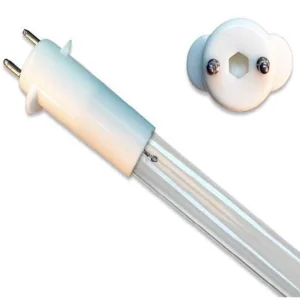
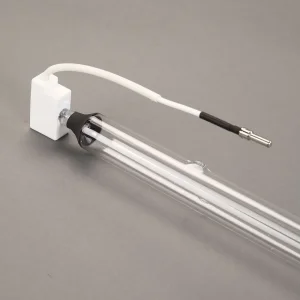
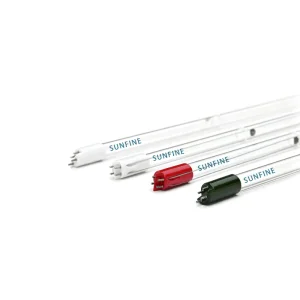
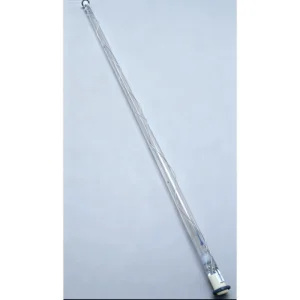
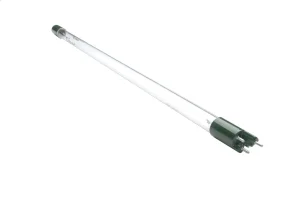
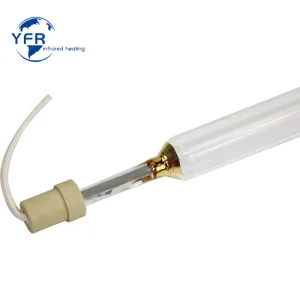
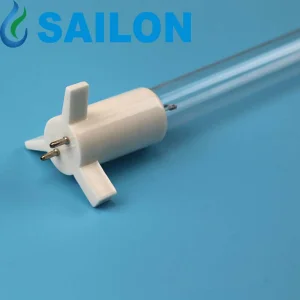
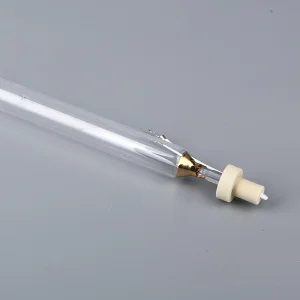
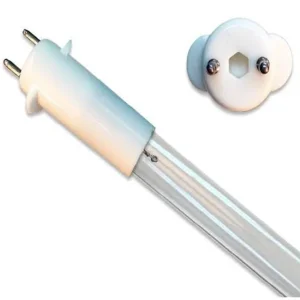
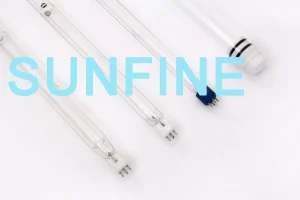
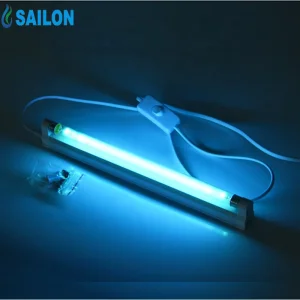 Manufacturer G13 G5 10W 15W 30W 55W 20W 75W 36W 30wt8 T5 T6 Replacement UV Lamp for Air Disinfection
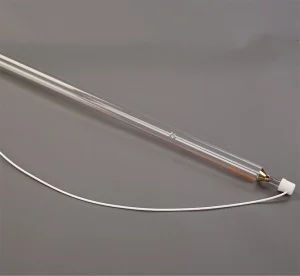
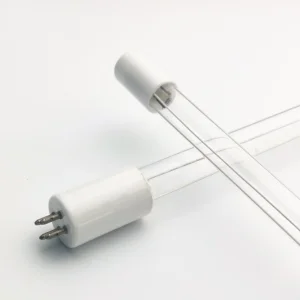
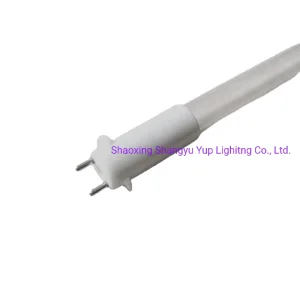
Need a Custom Solution?
Our engineering team can design lamps for any proprietary system.
Inquire Directly →❓ Frequently Asked Questions (Industrial UV)
Q1: How do I identify the correct replacement lamp for my existing UV reactor?
A: Identification is based on the lamp's part number (e.g., Trojan 794447), arc length, pin configuration (4-pin, 2-pin, or single-ended), and wattage. We provide a cross-reference guide to ensure 100% compatibility with global brands.
Q2: What is the benefit of using Quartz Glass over standard borosilicate glass?
A: High-purity quartz glass allows for maximum UV-C transmission (up to 92%), whereas standard glass absorbs a significant portion of the germicidal wavelength, reducing disinfection efficiency by up to 60%.
Q3: Can your lamps handle the voltage instability sometimes found in industrial zones?
A: Our lamps are designed to work with electronic ballasts that have wide-range input voltage support. We recommend pairing our lamps with Dextra-matched ballasts for maximum stability in varying power environments.
Q4: What is the typical lead time for large industrial orders to North Korea region projects?
A: With 4 automated lines, we maintain a stock of standard sizes. Custom OEM orders typically ship within 14-21 days after technical specification confirmation.
Ready to Optimize Your Industrial UV Systems?
Expert consulting for North Korea infrastructure and global industrial applications.
Send Inquiry Now