 Dextra Light
Direct Factory Selection for São Tomé and Príncipe
High-efficiency germicidal lamps configured for healthcare, water treatment, and public space sanitization across the Gulf of Guinea.
Biosecurity and Water Safety in São Tomé and Príncipe: A Macro Analysis
The Democratic Republic of São Tomé and Príncipe, situated in the equatorial Gulf of Guinea, faces distinct public health, municipal sanitation, and ecological preservation demands. The combination of a highly humid tropical climate, localized clean water infrastructure, and a burgeoning tourism industry centered around pristine ecological preserves (such as the island of Príncipe, a UNESCO Biosphere Reserve) demands robust, low-maintenance biosecurity systems. Chemical disinfection processes—specifically chlorination—often face supply chain bottlenecks due to the archipelago's maritime logistics. Furthermore, excessive chemical use poses runoff threats to sensitive marine reefs and freshwater catchments.
In hot, high-humidity environments like São Tomé and Príncipe, airborne pathogens propagate rapidly in enclosed hospitality spaces and medical clinics. Similarly, microbial biofilm growth in municipal water tanks accelerates. Implementing non-chemical ultraviolet (UV-C) technology is the most sustainable approach, but it requires components that can withstand electrical voltage fluctuations and intense relative humidity.
Key Disinfection Application Profiles in the Local Market
- Ecotourism & Hospitality Sanitation: High-end resorts in Bom Bom, Sundy, and Neves rely heavily on clean surface and air sanitation to guarantee international safety standards without leaving chemical scents that detract from the natural experience.
- Municipal and Decentralized Water Supply: With mountainous terrain and numerous small river basins, local water supply relies heavily on gravity-fed water networks. Submersible UV-C arrays serve as the final microbial barrier, eliminating protozoa such as *Cryptosporidium* and *Giardia* that resist chlorine.
- Clinical and Outpatient Sterilization: Hospitals such as Hospital Dr. Ayres de Menezes require continuous room disinfection. Traditional chemical cleaning has a high human-error rate, whereas fixed Far-UVC (222nm) arrays run continuously and safely in occupied waiting rooms.
15+
Years of UV R&D Experience
4
Automated Production Lines
36
High-Speed VPM SMT Machines
80+
Exporting Destination Countries
Precision Manufacturing: How Chinese Advanced Factories Support Global Biosecurity
For buyers and public procurement managers in São Tomé and Príncipe, sourcing high-efficiency germicidal lamps directly from Chinese advanced factories provides a strategic procurement advantage. The production of reliable, high-yield quartz glass sleeves and mercury/excimer arc elements requires deep industrial integration.
At Zhongshan Dextra Lights Technology Co., Ltd., we utilize 36 high-speed placement machines alongside specialized automatic aging racks. This ensures that every UV lamp shipped contains stable gas pressures and durable cathodes that resist flickering, extending the operational life to over 9,000–12,000 hours. This longevity is critical in remote island economies where import logistics are costly.
Our facility holds over 50 patents in China and operates with an annual sales footprint of RMB 270 million, showing our dedication to scalable quality. By maintaining automated control over the assembly process, we reduce variations that cause early ballast failures—a common issue in remote tropical grid environments.
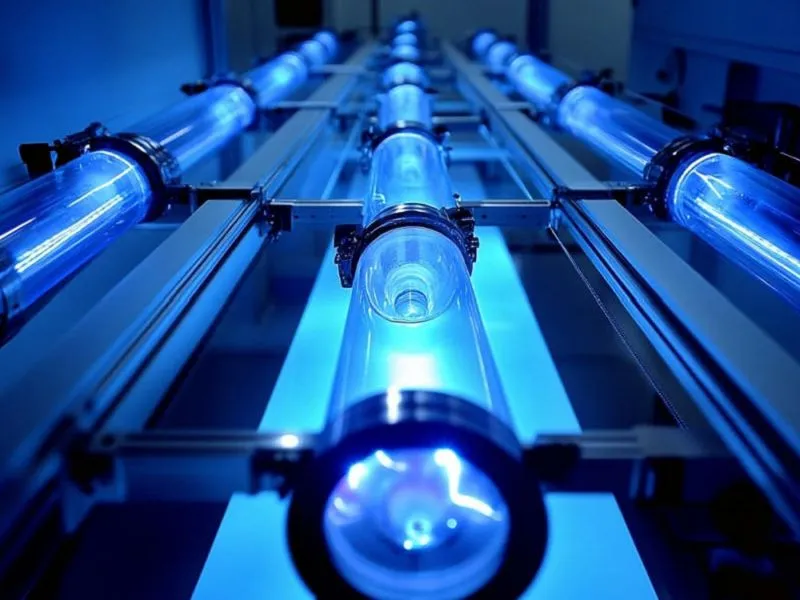
UV Wavelength Performance Matrix in Equatorial Conditions
Understanding which UV-C wavelength to utilize is critical for local engineering companies and sanitary engineers in São Tomé and Príncipe.
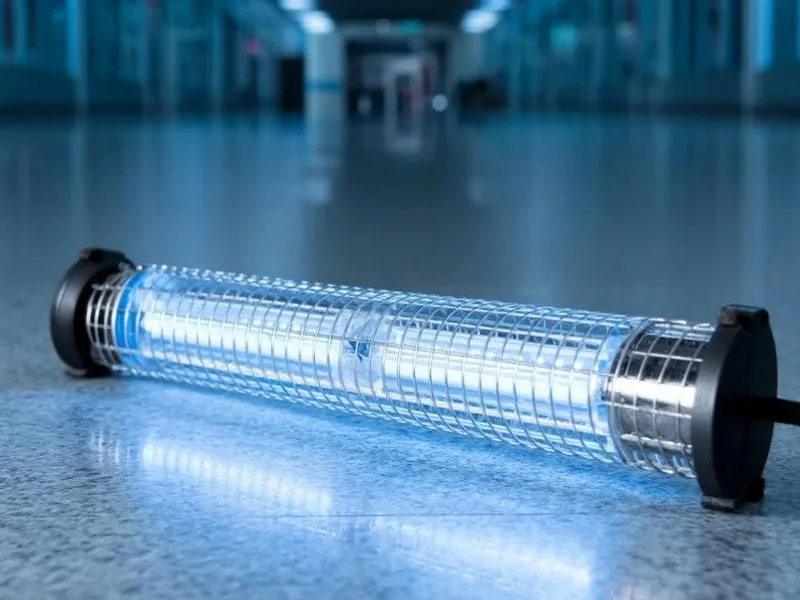
222nm UV light cannot penetrate the human stratum corneum or the outer tear layer of the eyes, making it safe for continuous exposure in schools, public banks, and airports. Standard 254nm UV light requires safety sensors and empty spaces but remains the most cost-effective solution for direct water disinfection and enclosed air ducts.
Far-UVC 222nm
Safe for occupied spaces. Destroys aerosol pathogens continuously in high-traffic commercial zones.
Standard 254nm
Industrial baseline disinfection. Highly effective in water conduits and closed duct air purifiers.
Ozone-Generating 185nm
Produces active oxygen (O3) to sanitize areas out of direct line-of-sight. Requires post-treatment ventilation.
Amalgam Heavy Duty
Maintains stable UV output even across wide temperature fluctuations in tropical water systems.
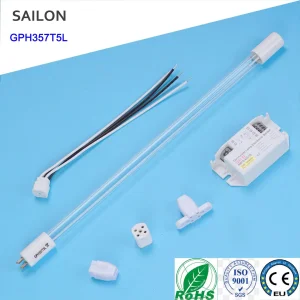
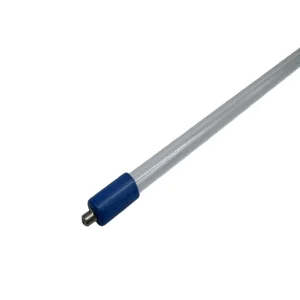
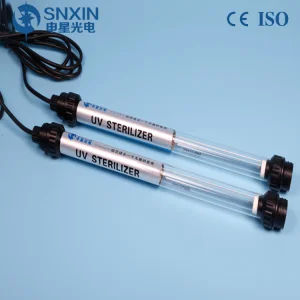
Comprehensive Germicidal Lamp Catalog
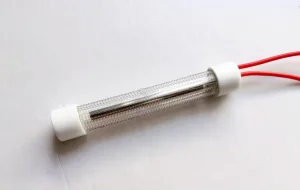
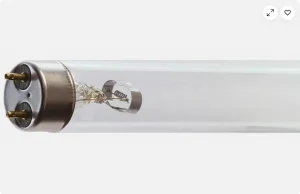
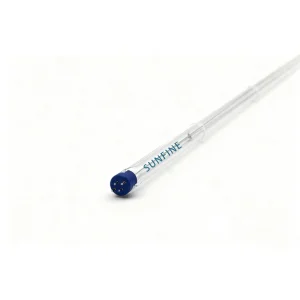
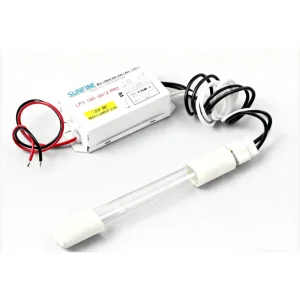
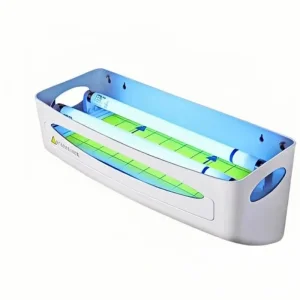
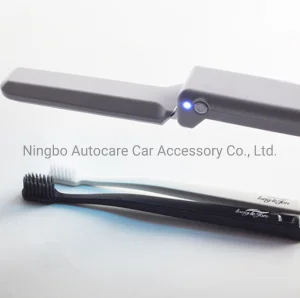
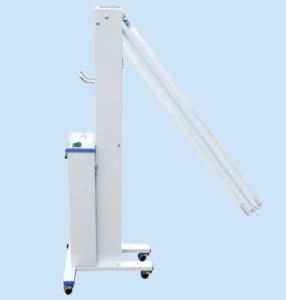
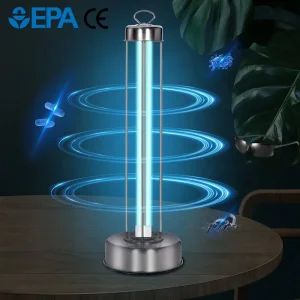
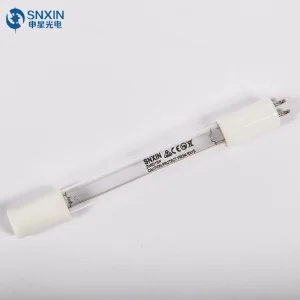
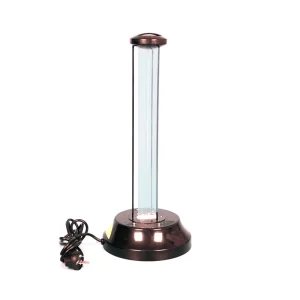
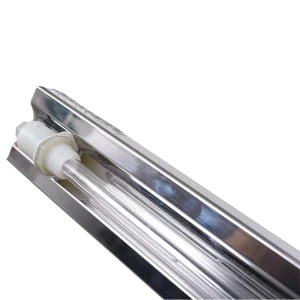
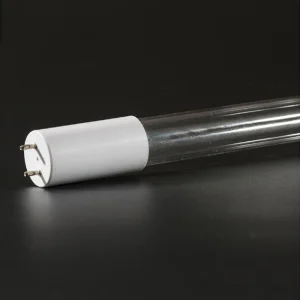
Factory direct replacement lamps, waterproof submersibles, and portable sanitation devices compatible with local specifications.
Zhongshan Dextra Lights Technology Co., Ltd.
Established in March 2012 — Professional UV & Optoelectronic Device Manufacturing
Advanced R&D and Strong Capitalization
Zhongshan Dextra Lights Technology Co., Ltd. was established in March 2012 with an initial capital investment of 10 million RMB. Built over a modern footprint of 9,000 square meters, our facility supports more than 120 skilled personnel, including 10 domestic and international technology elites who lead our R&D center. Our core engineering team brings over 15 years of continuous experience in specialized optoelectronics, RGB displays, and excimer ultraviolet system manufacturing.
Leveraging our advanced 4 automated production lines and 36 high-speed placement machines, we offer robust capabilities that guarantee quality for importers in São Tomé and Príncipe.
Global Export Footprint & Comprehensive Product Range
Dextra Lights has built a reliable global service network, exporting germicidal technology to over 80 countries across Europe, the Middle East, Southeast Asia, and Africa. In the last fiscal year, our total sales reached RMB 270 million, with specialized UV technologies representing 37.8% of our output and showing an annual sales growth rate of 9.2%.
Our manufacturing program spans several optoelectronic and disinfection categories:
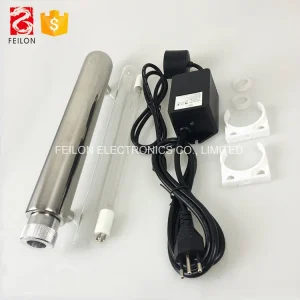
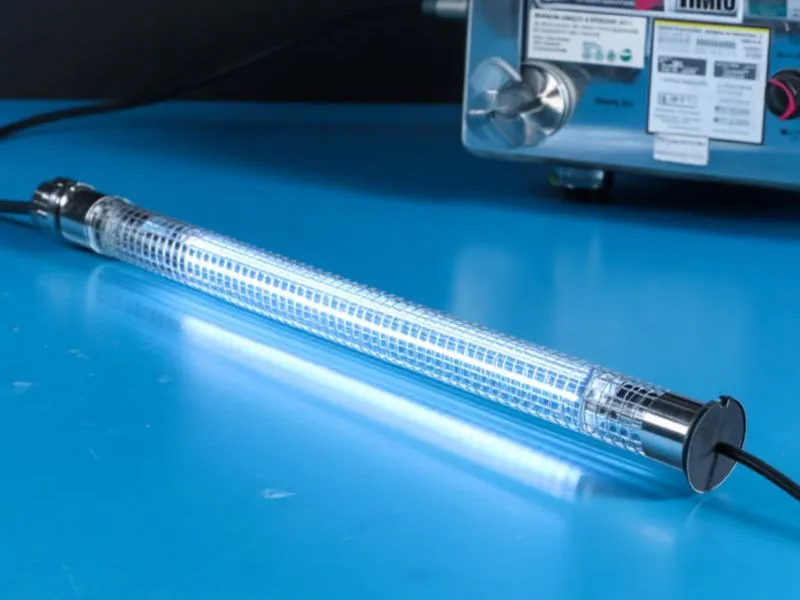
- UV Disinfection Systems: Far-UVC 222nm light fixtures, standard T5/T8 mercury vapor lamps, submersible quartz water sterilizer tubes, and mobile robotics light engines.
- Consumer Sanitation: Maternal and infant sanitizers, pet odor control arrays, and handheld sterilizer wands.
- Industrial Application: UV air filtration banks, dust precipitation systems, and UV curing arrays.
Engineering Best Practices for Tropical UV Disinfection
Installing optical ultraviolet disinfection in hot, highly humid, and maritime environments requires addressing specific engineering factors to avoid equipment degradation and ensure continuous sterilization.
In coastal locations such as São Tomé city and Santo António, salt air can accelerate oxidation on standard aluminum lamp bases. Dextra Lights utilizes treated ceramic and high-grade aluminum caps along with IP68 waterproof quartz sleeves for systems exposed to maritime air.
Unstable local grids can degrade standard electronic ballasts. We configure our commercial UVC systems with wide-voltage input ballasts (110V-240V) that feature built-in thermal protection to prevent overheating during power drops.
Because UV sterilization relies on exposure time (dose = intensity × time), regional water treatment systems must adjust water flow rates to match fluid turbidity levels, ensuring the target 254nm dose inactivates pathogens effectively.
Frequently Asked Questions
Technical answers regarding the application, shipping, and installation of UV-C systems in São Tomé and Príncipe.
Custom OEM/ODM UV Disinfection Engineering
Whether you are upgrading a municipal water plant in Neves or setting up sterilization protocols for a clinical network, our engineers can customize lamp length, wattage, ballasts, and mounting hardware to fit your local requirements.