 Dextra Light
Verona Market Flagship UV Systems
Engineered for quick integration, high microbial inactivation rates, and certified safety compliance across European commercial standards.
Industrial and Commercial Realities of Verona's Indoor Air Management
Verona, situated in Italy’s Veneto region, serves as a major commercial node connecting northern Italy to central Europe. The region’s economic foundation—consisting of logistics complexes (such as the Quadrante Europa), intensive agrifood facilities, historical museums, and a highly populated tourism/hospitality sector—presents complex indoor air quality challenges.
Furthermore, geographic location in the Po Valley (Pianura Padana) results in natural atmospheric inversion layers. This stagnation traps fine particulates and airborne bioaerosols. Consequently, local enterprises are turning toward active, inline Ultraviolet Germicidal Irradiation (UVGI) systems to achieve sanitization levels that mechanical filtration (HEPA) alone cannot achieve.
- Agrifood & Viniculture: Controlling mold spores (e.g., Botrytis and Penicillium) in Valpolicella aging cellars and packaging lines.
- High-Transit Public Spaces: Protecting heritage buildings, hotels, and exhibition halls during peak seasons.
- Cold Chain Logistics: Safe operation in low-temperature warehouses where pathogens linger longer in static air.
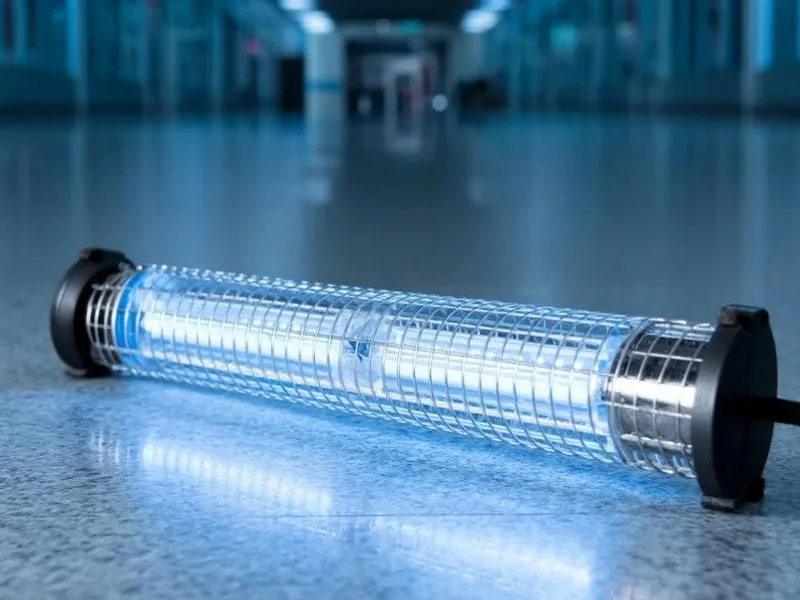
Targeted Verona Application Scenarios
Optimized configurations designed to integrate directly with existing architectural and industrial setups in the Veneto region.
Valpolicella Wine Preservation
Control yeast, mold spores, and bacterial contaminants in barrel rooms and fermentation facilities. Active UVC air sweeps keep airborne populations of spoilage microorganisms down, preserving natural aging cycles without ozone-induced oxidation.
Logistics & Cargo Hubs
At the Quadrante Europa transit hubs, dry cargo and cold storage docks demand rapid, continuous sanitation. Installing high-output inline UVC lamp modules in HVAC air handlers mitigates cross-contamination risks and supports workforce safety.
Clinical & Healthcare
Ospedale Borgo Trento and surrounding clinic systems maintain safety standard compliance via high-dose 253.7nm ozone-free emitters. These neutralize aerosolized hospital-acquired infections (HAIs) in real-time, operating in mechanical ventilation channels.
Global UV Sterilization Dynamics: Transitioning from Mercury to Excimer Light
The global ultraviolet disinfection market is experiencing a significant shift in technology. Traditional low-pressure mercury vapor lamps (producing monochromatic 253.7nm radiation) remain the baseline standard for HVAC and large volume air stream sanitization due to their electrical conversion efficiency (around 30-40% input power converted to germicidal UVC). However, there is growing deployment of 222nm Far-UVC excimer technologies (Krypton-Chloride excimer) for real-time occupant-present spaces, as well as high-output amalgam lamps designed for large volumes.
Under international safety guidelines (including the ACGIH threshold limit values), the target is to maximize bio-aerosol destruction without producing secondary pollutants like ozone ($O_3$), unless specifically requested for deep deodorization. The table below represents pathogen susceptibility values ($D_{90}$ doses) required to achieve 90% inactivation in modern airflow ducts:
| Target Pathogen Class | Representative Organism | $D_{90}$ Germicidal Dose ($J/m^2$ at 254nm) | Optimal Lamp Type Recommended |
|---|---|---|---|
| Viral Bioaerosols | SARS-CoV-2 / Influenza A | 12 – 26 | Low-Pressure High-Output Quartz (253.7nm) |
| Vegetative Bacteria | S. aureus / P. aeruginosa | 35 – 55 | T8 Germicidal UV-C Bulb (40W / 55W) |
| Bacterial Endospores | Bacillus subtilis spores | 120 – 180 | Amalgam High-Power UV Bulb (150W - 320W) |
| Fungal Spores / Molds | Aspergillus niger / Penicillium | 220 – 450 | Dual-Pin High Intensity UV Lamps (Continuous Scan) |
In Verona's wine storage facilities and food processing plants, mold spore mitigation requires high-dose exposure. This necessitates the use of high-power amalgam lamps, such as our 320W UV sterilization lamps. These lamps supply sufficient ultraviolet intensity inside swift HVAC ducts to deliver the required $300+ J/m^2$ dose in a single pass.
Why Dextra Lights is the Leading Supply Partner for Verona
Zhongshan Dextra Lights Technology Co., Ltd. was established in March 2012, bringing together R&D expertise that spans over 15 years in RGB displays and the ultraviolet manufacturing industry. Operating out of a modernized 9,000-square-meter facility with an initial capital investment of 10 million RMB, we combine high precision with volume output.
By using 4 automated production lines and 36 high-speed placement machines, we reduce production margins and ensure stable performance for global importers. Last year, our sales hit RMB 270 million, with UV products making up 37.8% of the total—reflecting a 9.2% annual growth rate. Supported by 50 patents in China, we continue to research and develop advanced UV solutions.
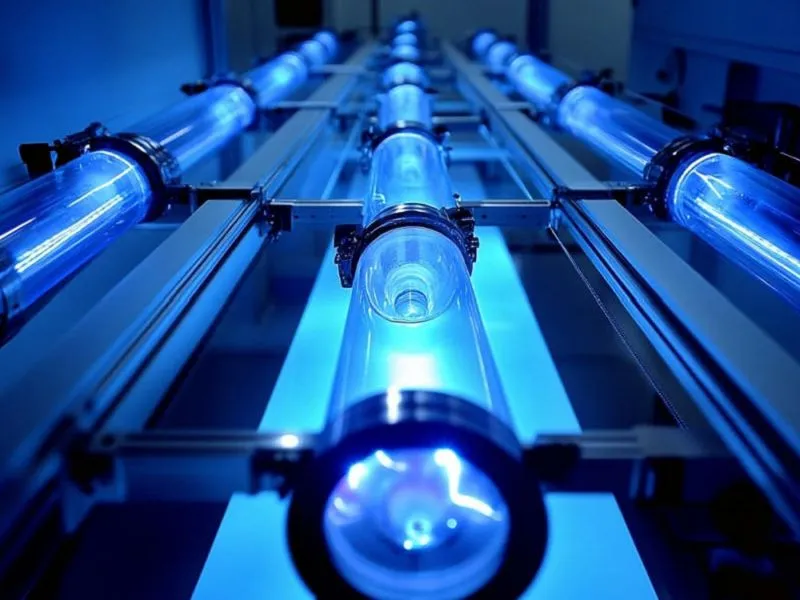
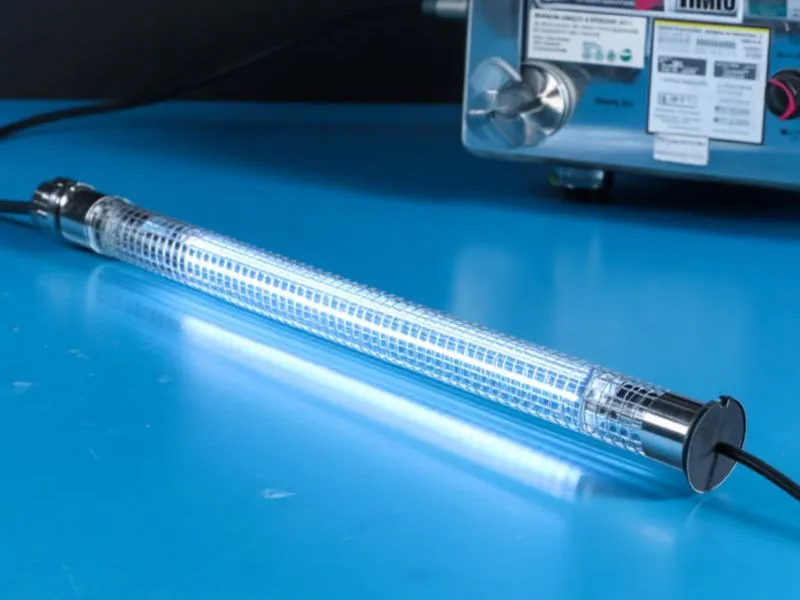
OEM and Tailored Exporter Capabilities for the EU Market
Exporting to European destinations like Italy requires meeting regulations like CE conformity, RoHS restrictions, and electrical compatibility standards (230V/50Hz). Dextra Lights handles these requirements by implementing strict ISO 9001:2015-certified manufacturing processes.
Our OEM capability allows custom branding, tailored power supplies (high-efficiency electronic ballasts with preheat starts), and custom length options to fit into existing European ventilation systems. We supply inspectors and importers with full physical test results, spectral radiation output logs, and certificates of origin to simplify custom clearance in Verona and the wider EU.
Our Extensive UV Sterilization Catalog
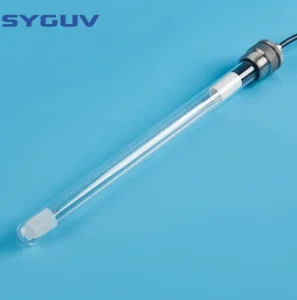
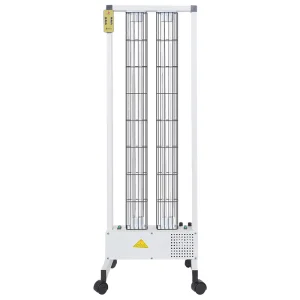
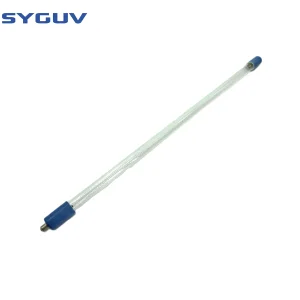
Explore our full line of UVC bulbs, industrial air sterilizers, and HVAC integration units designed for global distribution and Verona-specific logistics hubs.
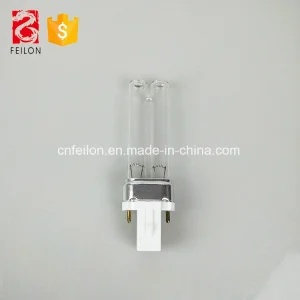
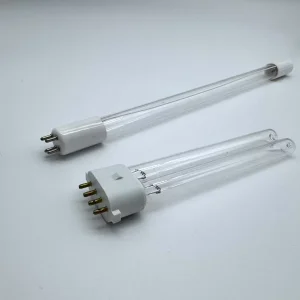
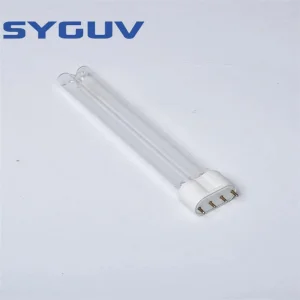
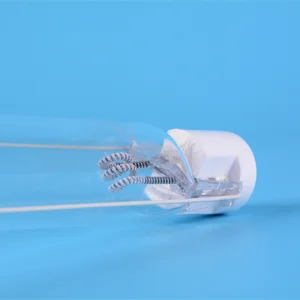
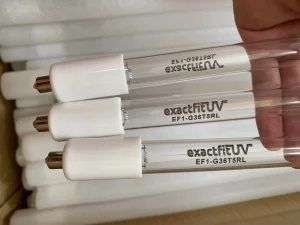
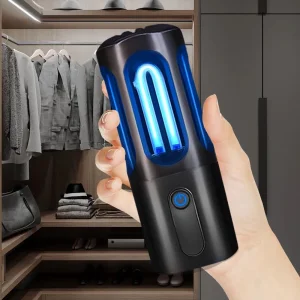
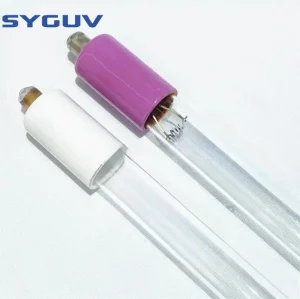
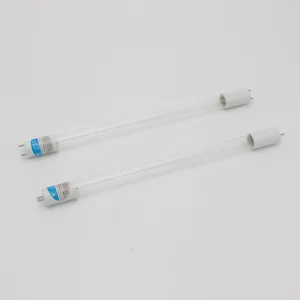
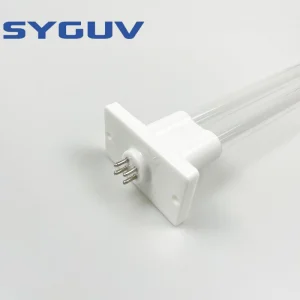
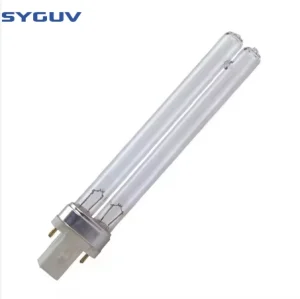
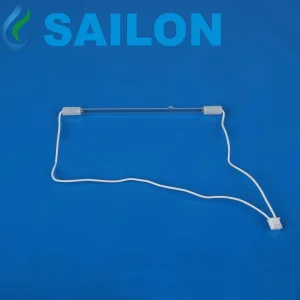
Innovative Product Portfolio & Engineering Standards
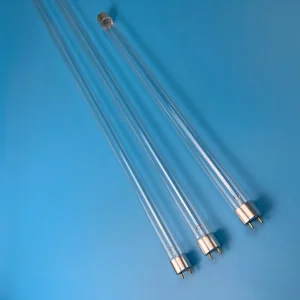
Our catalog ranges from low-wattage T8 bulbs designed for localized air purification to custom multi-lamp racks built for central HVAC ducts. By using high-transmittance quartz glass, our bulbs reach up to 90% transmission of the 253.7nm light, optimizing energy use and longevity.
Each production run undergoes rigorous tests to ensure clean operation and minimize structural deterioration. Key advantages include:
- Optimized Quartz Sleeves: Protects the lamp envelope from temperature fluctuations inside cold air streams.
- Custom Ozone Outputs: Options for standard 253.7nm (ozone-free) or 185nm (ozone-generating) configurations to tackle complex odor control challenges.
- Extended Service Lifespan: Long-life filament and emitter coating design yields up to 9,000 to 12,000 effective operating hours before substantial intensity decay.
Procurement Insights for Verona Wholesalers and Contractors
When purchasing germicidal lamps for commercial buildings in northern Italy, there are several key factors to keep in mind beyond price. Systems must comply with the CE directive, RoHS directives, and the electrical specifications of the target site. Additionally, HVAC installers should verify physical dimensions and fit. Selecting the wrong pin arrangement (e.g., standard single-pin vs. double-pin G13) can delay installation, which is especially problematic for fast-track renovations in local historical buildings.
Dextra Lights works closely with European procurement managers. We provide mechanical CAD files, electrical schematics, and custom ballast pairings to match the required specifications. By shipping directly from our Zhongshan manufacturing hub, we offer cost efficiencies that help Verona-based distributors, engineering contractors, and OEM brands maintain healthy margins.
Frequently Asked Questions
Expert technical answers regarding UVGI systems, design considerations, and global imports.
Ozone-free UV lamps are constructed using standard quartz glass doped to block the 185.7nm wavelength, emitting exclusively the germicidal 253.7nm radiation. This is ideal for occupied spaces, as ozone is a respiratory irritant. Ozone-generating UV lamps use clear natural quartz that allows the transmission of both 185.7nm and 253.7nm light. The 185.7nm light breaks oxygen molecules down to create ozone ($O_3$), which helps deodorize and sanitize hard-to-reach areas. However, these spaces must be fully ventilated before occupants return.
The UV dosage is calculated using the formula: $Dosage\ (J/m^2) = Intensity\ (W/m^2) \times Time\ (seconds)$. For moving air systems, the exposure time is determined by the length of the UVC chamber and the air velocity. The target pathogen's susceptibility ($D_{90}$ value) determines the intensity required. Typically, air duct systems need high-intensity lamps (such as our 150W or 320W models) to provide a sufficient dose to neutralize airborne mold and bacteria in fraction-of-a-second transit windows.
To enter the Italian and European markets, products must meet CE requirements (including LVD 2014/35/EU and EMC 2014/30/EU directives), EN 62471 photobiological safety standards, and RoHS regulations regarding hazardous materials. Dextra Lights ensures all export batches are supported by compliant test reports and certifications to facilitate straightforward customs clearance at European ports.
Yes. Our R&D team matches lamp tubes with high-power-factor electronic ballasts that feature preheat starts. This design helps protect the cathode filaments and extends the operational life of the lamps. We can supply complete matched sets or test compatibility with your existing electronic ballasts.
Standard orders are processed through our 4 automated production lines and high-speed placement machines. Lead times for large quantities typically range between 15 to 30 days, depending on customization needs. We work with international sea and air freight forwarders to ensure reliable delivery to warehouses in Verona and across the Veneto region.