Dextra Light
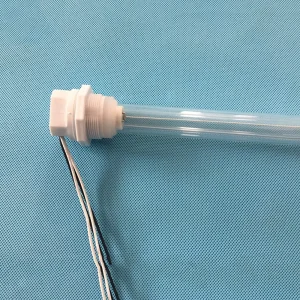
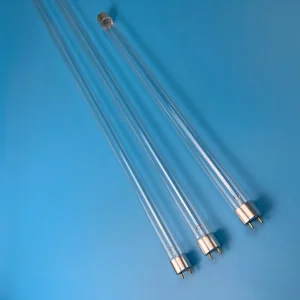
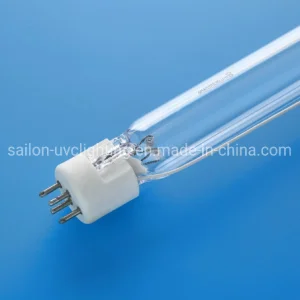
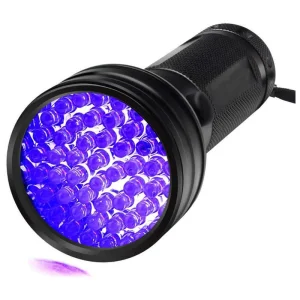
Our Featured UVC Disinfection Systems & Components
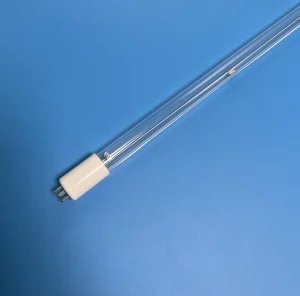
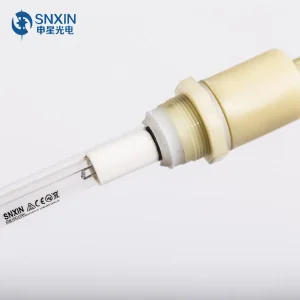
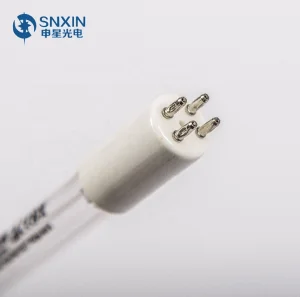
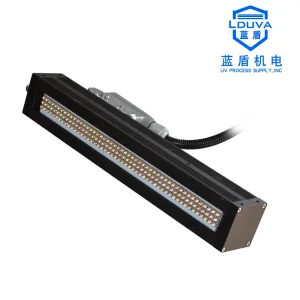
Engineered to meet rigorous global standards, our top-tier ultraviolet systems and lamps provide clean, reliable, and chemical-free biological disinfection for critical municipal and industrial operations.
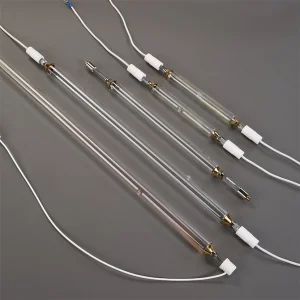
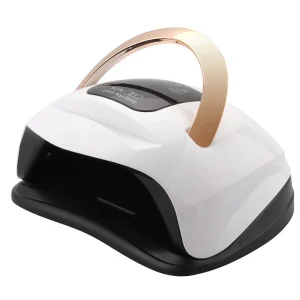
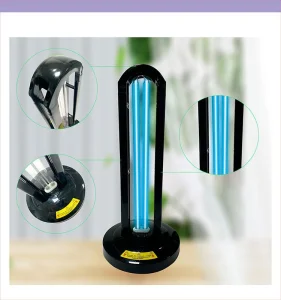
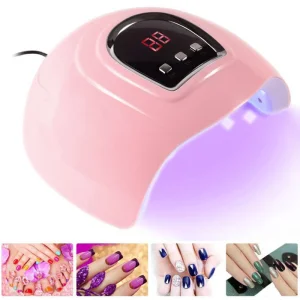

Technological Foundations of Sewage UV Disinfection
In modern municipal and industrial wastewater management, Sewage UV Disinfection Systems serve as a vital environmental barrier. Operating within the short-wave ultraviolet range (UVC, 200 to 280 nm), these systems disrupt the genetic code (DNA and RNA) of harmful pathogenic microorganisms—such as bacteria, viruses, and chlorine-resistant protozoa like *Cryptosporidium* and *Giardia*. By initiating the formation of pyrimidine dimers, UVC radiation prevents cells from replicating, neutralizing microbial risks without introducing hazardous chemical byproducts into local waterways.
Achieving optimal germicidal performance relies on balanced design configuration. High-volume municipal wastewater facilities require careful synchronization between hydraulic flow rates and light transmission. Advanced systems employ Computational Fluid Dynamics (CFD) to design precise flow pathways, ensuring that every milliliter of effluent receives a uniform, predetermined UVC dose. Key factors influencing sterilization performance include UV Transmittance (UVT), Total Suspended Solids (TSS), and mechanical fouling of quartz sleeves. Our state-of-the-art open-channel and closed-vessel UV systems are engineered to address these operational variables, delivering reliable pathogen reduction even in challenging effluent conditions.
Global Industry Trends & Procurement Demands
Understanding how modern regulatory shifts and engineering priorities guide strategic infrastructure sourcing.
Chemical-Free Mandates
Strict regulations by agencies like the EPA and EU directives are phasing out traditional chlorine disinfection in favor of UV light to eliminate harmful disinfection byproducts (DBPs).
Dynamic Dose Pacing
Modern municipal operators require smart ballast controls and UV intensity sensors that dynamically adjust power consumption based on real-time flow rate fluctuations.
TCO Optimization
Procurement teams evaluate total cost of ownership over a 10-year span, focusing on long-lasting lamps (12,000+ hours), energy-efficient ballasts, and low-maintenance cleaning wiper systems.
Automated Fouling Control
Industrial users demand automated, chemical-free quartz sleeve mechanical wiper mechanisms to prevent scaling from iron, manganese, and calcium carbonates.
Macro Solutions & Engineering Frameworks
Our comprehensive UV disinfection range serves both municipal systems and industrial sectors. For large-scale municipal applications, our open-channel configurations utilize space-efficient vertical or horizontal lamp arrays that slide directly into concrete channels, keeping footprint and civil construction costs low. These installations feature smart water level controllers and automated wiping mechanisms, ensuring continuous, high-efficiency operation with minimal manual labor.
For industrial wastewater, agricultural reuse, and chemical processing, our closed-vessel (in-line) pressure reactor configurations are optimized for high-pressure flows. These systems disinfection-treat industrial effluent before recharge or reuse, helping organizations meet environmental compliance regulations and support zero-liquid discharge (ZLD) programs.
Why Choose Us?
Advanced Production Capacity
Our factory houses four advanced automated production lines alongside 36 high-speed placement machines, supporting highly efficient, scalable, and high-precision manufacturing.
Quality Assurance
Every batch of our UV systems undergoes strict QA testing and comes with a detailed inspection report, providing full transparency and quality assurance for global industrial buyers.
Sales Markets
Our systems operate in more than 80 countries across Europe, the Americas, the Middle East, Africa, and Southeast Asia, backed by a responsive global support network.
Customized Solutions
We analyze each client's specific hydraulic layout, UV transmittance, and effluent goals to design customized UV reactor structures for maximum germicidal efficiency.
Our Factory & Technical Infrastructure
Behind our reliable performance is a state-of-the-art production complex dedicated to advanced optics and precision electronics.
Established in March 2012, Zhongshan Dextra Lights Technology Co., Ltd. is a high-tech manufacturer specializing in multi-purpose LED displays and advanced excimer UV lamps. Backed by an initial capital investment of 10 million yuan, our facility spans 9,000 square meters and houses over 120 employees, including a specialized R&D department and an expert technical team. Our core engineering staff brings over 15 years of technical expertise in specialized optical systems, ensuring that our products meet demanding performance requirements.
Our production floor includes 4 automated lines and 36 high-speed placement machines, supporting reliable volume production. Last year, our sales reached RMB 270 million, with UV products accounting for 37.8% of total revenue (growing at an annual rate of 9.2%). This consistent performance highlights the market's trust in our solutions. Driven by continuous improvement, our company holds 50 patents in China, reflecting our ongoing focus on product innovation.
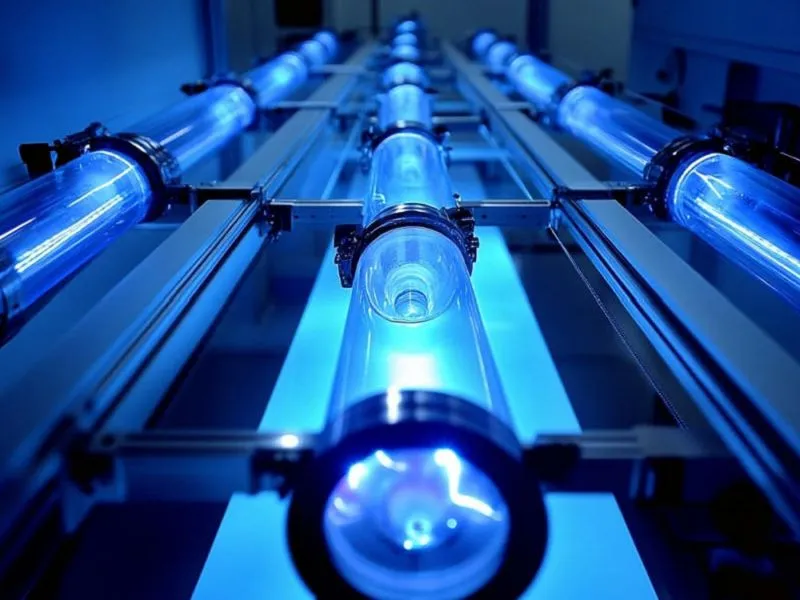
Our product portfolio is built for clean sterilization, air quality control, and industrial process stability. Our offerings range from indoor and outdoor LED displays to target-application UV disinfection lamps, domestic hygiene devices, pet care sterilizers, high-purity semiconductor UVC modules, industrial air treatment units, and custom dust suppression systems.
By producing our own specialized UVC lamps and electronics in-house, we control every critical phase of manufacturing. From selecting high-purity quartz glass to applying long-life protective internal coatings, our engineers ensure each system delivers stable UV output over a long operational lifespan.
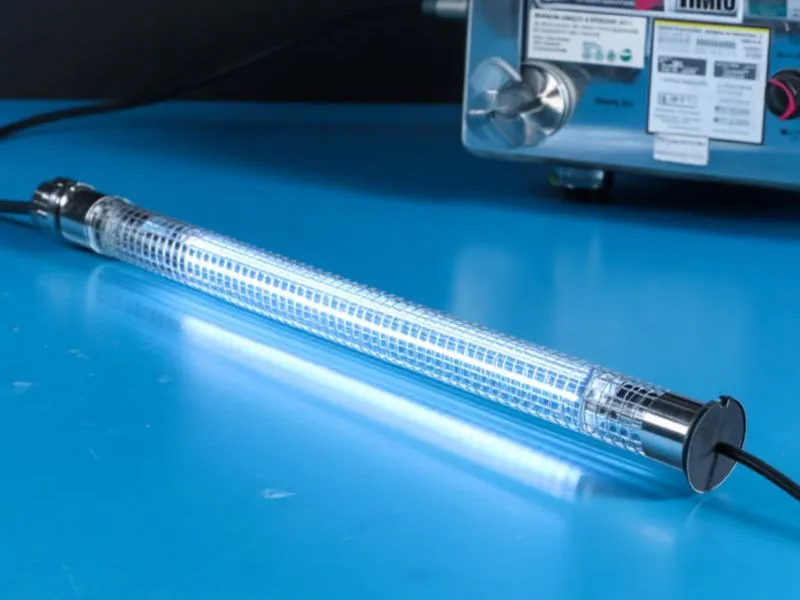
Our commitment to quality extends through our global sales and technical support network. We design and build systems that comply with global regulatory frameworks, including CE and ISO certifications. This focus on reliability ensures our municipal and industrial installations meet environmental and safety standards worldwide.
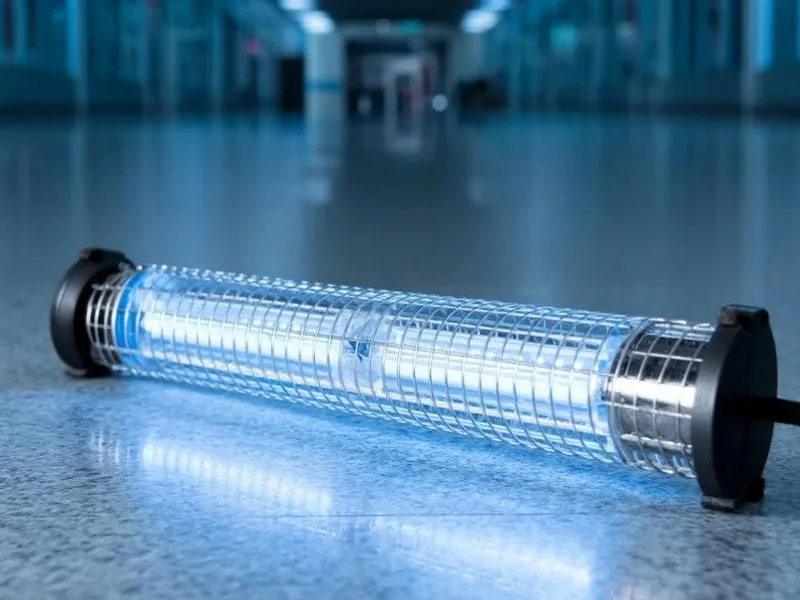
Technical Roadmap & Future Outlook
Pioneering the next generation of eco-friendly UVC disinfection and advanced oxidation technologies.
-
Stage 1: High-Efficiency Solid-State Light Sources
Developing high-output UV-C LED arrays designed to replace traditional mercury lamps, offering instant-on capability, compact physical footprints, and mercury-free operation.
-
Stage 2: Advanced Oxidation Processes (AOP)
Integrating high-intensity UVC reactors with ozone and hydrogen peroxide (H2O2) dosing to neutralize complex organic micropollutants, active pharmaceutical compounds, and industrial contaminants.
-
Stage 3: Smart IoT Integrated Control Platforms
Deploying cloud-connected PLC panels that monitor quartz sleeve transmittance, adjust lamp output in real-time, and run predictive maintenance to optimize operational costs.
-
Stage 4: Excimer 222nm & Far-UVC Engineering
Developing industrial excimer lamp sources to expand our product offerings and improve biological disinfection performance across complex wastewater applications.
Frequently Asked Technical Questions
Technical advice and structural recommendations from our engineering team.
How do TSS and UVT variables affect the sizing of a Sewage UV system?
Total Suspended Solids (TSS) and UV Transmittance (UVT) are key variables in system sizing. High TSS levels can physically shield pathogens from UVC light, while low UVT reduces the depth of UV penetration through the effluent. In water with low UVT, we design systems with tighter lamp spacing (pitch) and higher-output lamps to ensure all pathogens receive the target disinfection dose (typically 30 to 40 mJ/cm²).
What are the core differences between low-pressure high-output (LPHO) and medium-pressure (MP) UV lamps?
LPHO lamps emit monochromatic UVC light at 253.7 nm and are highly energy-efficient, making them ideal for continuous-flow municipal installations. Medium-pressure lamps emit a broader, polychromatic spectrum and generate much higher power output per lamp. While MP lamps require more energy, they can treat high flow volumes within a smaller physical footprint, which is beneficial for sites with space constraints.
How does the automated sleeve cleaning system prevent scaling and biological fouling?
As wastewater passes through the system, minerals and organics can deposit on the quartz sleeves, reducing UV output. Our automated cleaning system uses mechanical wipers combined with chemical cleaning agents to wipe the sleeves at set intervals. This prevents scaling without interrupting operation, maintaining optimal UVC dose delivery.
What structural certifications are required for municipal sewage UV systems?
Municipal installations typically require compliance with CE standards, ISO 9001 manufacturing quality controls, and validation under protocols like the USEPA UVDGM or NWRI guidelines. These standards verify that the UV system consistently delivers the target pathogen reduction under varying water quality conditions.
What is the typical lifespan of UVC lamps, and when should they be replaced?
Our high-output amalgam UV lamps are rated for a lifespan of 12,000 to 16,000 hours of continuous operation. We recommend replacing lamps when their intensity drops to 70-80% of original output (end-of-life value) to ensure the system continues to meet design dose requirements.
Can your systems handle fluctuations in wastewater flow rates?
Yes. Our systems feature electronic ballasts that integrate with PLC controls to adjust lamp intensity based on real-time flow rate inputs. This prevents under-dosing during peak flows and conserves energy during low-flow periods, extending lamp life.
Industrial Water Treatment Products
Explore our line of specialized UV-C germicidal products designed for diverse industrial and water treatment applications.