UV Technology Innovations In Modern Industries is reshaping sectors such as healthcare, food safety, and water treatment. The rise in global UV technology market, projected to reach over $7 billion by 2026, reflects its growing significance. The effectiveness of UV disinfection is notable; studies show it can eliminate up to 99.9% of pathogens in water and air.
Industries are adapting quickly to these innovations. In healthcare, UV systems enhance sterilization processes, minimizing infection risks. Food processing plants use UV light to extend shelf life and ensure safety. Research indicates that UV-treated products reduce spoilage, saving companies millions annually.
Yet, these advancements are not without challenges. Some industries resist change due to perceived high initial costs or lack of knowledge. Addressing these concerns is crucial. Further assessments are needed to balance effectiveness with financial investment. Overall, UV Technology Innovations In Modern Industries hold promise, but wider adoption will require overcoming various barriers.
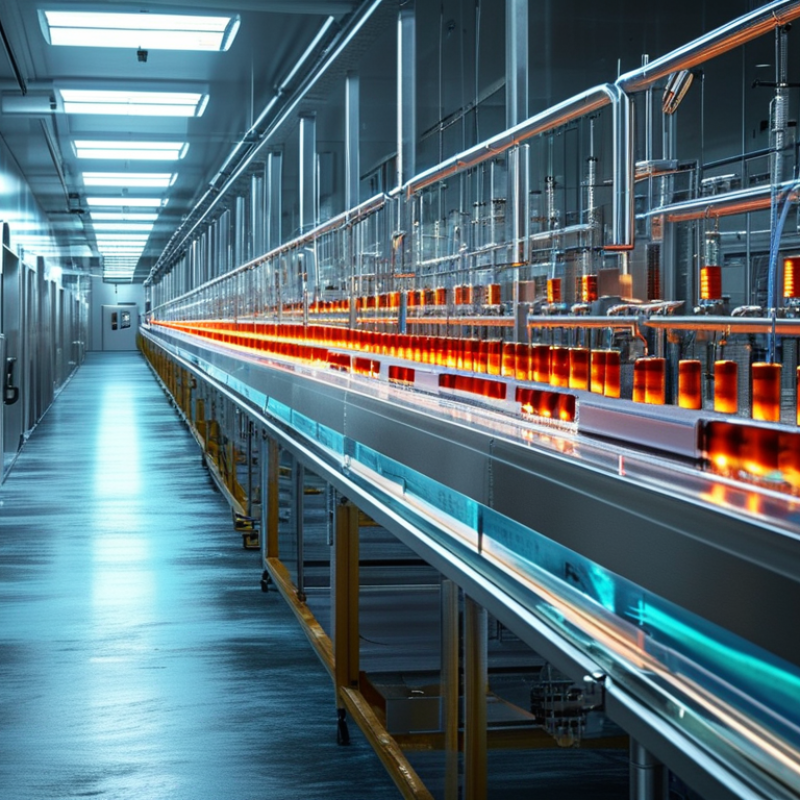
UV technology is rapidly reshaping various industries today. Its applications span from healthcare to manufacturing. The ability to sanitize surfaces, air, and water using UV light offers a compelling solution in our modern world. For instance, hospitals employ UV disinfection to enhance patient safety. This technology minimizes the risk of hospital-acquired infections. In agriculture, UV light aids in pest control and promotes healthier crops without harmful chemicals.
Another fascinating area is UV printing. This method dries inks using UV light, resulting in vibrant colors and durable finishes. Many manufacturers are adopting this technology to reduce waste and improve efficiency. However, the initial investment can be a hurdle for some businesses. The transition to UV technology may require technicians to undergo training, which adds to costs and time.
Tips for adopting UV technology effectively include starting small. Test UV systems in controlled environments to evaluate their impact. Monitor results closely, adjusting processes as necessary. Think about long-term benefits, even if short-term costs seem high. Understanding the learning curve is crucial. Companies can collaborate with experts to ensure a smoother transition, thus maximizing UV technology’s potential in their industries.
UV technology is making waves across various sectors, revolutionizing processes and enhancing efficiency. In healthcare, UV disinfection is becoming a game-changer. Hospitals are adopting UV-C light to effectively eliminate harmful pathogens. This method is faster and often more reliable than traditional cleaning methods. However, there are concerns about its application in sensitive areas, where overexposure could harm equipment or patients.
In the food industry, UV technology is being employed to extend shelf life and ensure safety. By using ultraviolet light for pasteurization, companies can reduce chemicals and additives. Yet, the effectiveness can vary based on food types and surfaces. Manufacturers must carefully evaluate how to implement this technology without compromising quality.
The cosmetic sector is also leveraging UV technology for sanitation and preservation. UV-sterilized tools enhance safety in beauty treatments. However, the industry faces challenges related to education about proper usage and benefits. These innovations show promise, but detailed evaluations are necessary. Balancing efficacy with safety remains a critical factor as industries increasingly rely on UV applications.
The adoption of UV technology brings notable safety and environmental benefits across various industries. This innovative approach excels in disinfection processes. Unlike traditional methods, UV light can eradicate germs without harmful chemicals. With growing awareness of health and safety, many sectors are integrating UV solutions into their operations.
Quantifiable health benefits make UV technology attractive. Hospitals now use UV systems to reduce hospital-acquired infections. This not only enhances patient safety but also minimizes antibiotic resistance. Furthermore, food processing facilities can achieve cleaner environments, leading to healthier products. However, the efficacy of UV systems often depends on proper usage and regular maintenance. Overlooking these aspects can lead to ineffective disinfection.
On the environmental front, UV technology offers a sustainable alternative to chemical treatments. It requires minimal water and produces no harmful byproducts. Nevertheless, some industries face challenges in transitioning to this method. Education and training are essential for effective implementation. Ensuring everyone understands how to operate UV systems maximizes their potential benefits while addressing safety concerns.
The advancements in UV technology are reshaping various industries today. Innovations in UV-C light sources offer promising solutions for disinfection and sterilization. This technology is not limited to healthcare. It is making waves in food processing and water treatment as well. With an increased focus on safety, businesses are turning to UV for reliable pathogen control.
Efficiency is another driving force behind UV solutions. New developments in UV sensors enhance monitoring capabilities. This ensures consistent performance and efficiency in applications. However, not all technologies are foolproof. Some systems may require optimization to achieve desired results. A lack of understanding could lead to insufficient disinfection, raising concerns about effectiveness.
The environmental impact is a key consideration as well. UV technology offers a chemical-free approach to sterilization. Yet, some users may overlook critical factors like energy consumption. The balance between sustainability and efficiency remains a topic for discussion. As industries embrace these advancements, ongoing evaluation is essential.
The implementation of UV technology across various industries presents both challenges and opportunities. Initially, the cost of UV equipment can be a barrier for small to mid-sized companies. High upfront investments often deter businesses that would benefit from these advancements. Many industries may struggle with a lack of trained personnel who understand how to operate and maintain UV systems efficiently. This can lead to suboptimal use of the technology.
On the opportunity side, UV technology can significantly enhance production processes. Its ability to disinfect surfaces and air quickly is beneficial in sectors like food safety and healthcare. Companies are seeing improved product quality and extended shelf life thanks to UV treatment. However, not every business is prepared to integrate this technology smoothly. Many still need to explore how UV processes fit into existing workflows.
Additionally, there are regulatory considerations that companies must navigate. Compliance with health standards can be complex and vary by region. This creates uncertainty and can hinder the decision-making process. Businesses must weigh these challenges against the potential benefits of adopting UV technology. It’s clear that while opportunities exist, careful planning and consideration are essential to harness its full potential.
: UV technology is reshaping healthcare, manufacturing, and agriculture among others.
Hospitals use UV light to disinfect surfaces, reducing hospital-acquired infections.
UV printing creates vibrant colors and durable finishes, reducing waste in manufacturing.
Yes, initial investments and training costs can be hurdles for many businesses.
Start small by testing UV systems in controlled environments before full implementation.
UV technology disinfects without harmful chemicals, producing no toxic byproducts.
Regular maintenance and proper usage are vital to ensure effective disinfection.
It enhances patient safety by reducing reliance on antibiotics in healthcare settings.
Collaborating with experts helps ensure proper training and smoother transitions in implementation.
Recognizing the learning curve helps companies adjust processes and maximize UV technology benefits.
UV Technology Innovations in Modern Industries are rapidly shaping various sectors by providing effective solutions for sterilization, curing, and treatment processes. This article explores the emerging role of UV technology, highlighting its innovative applications in fields like healthcare, manufacturing, and water treatment. As industries increasingly adopt these technologies, the safety and environmental benefits become evident, promoting cleaner and more sustainable practices.
Moreover, technological advancements are driving the future of UV solutions, making them more efficient and cost-effective. Despite the potential, there are challenges in implementation that stakeholders must navigate, presenting opportunities for further research and development. Overall, the integration of UV technology is transforming modern industries, paving the way for enhanced operational efficiency and safety.

Dextra Light