How Does UV Technology Enhance Public Health Safety in 2026?

Time:2026-05-28 Author:Mason
0%

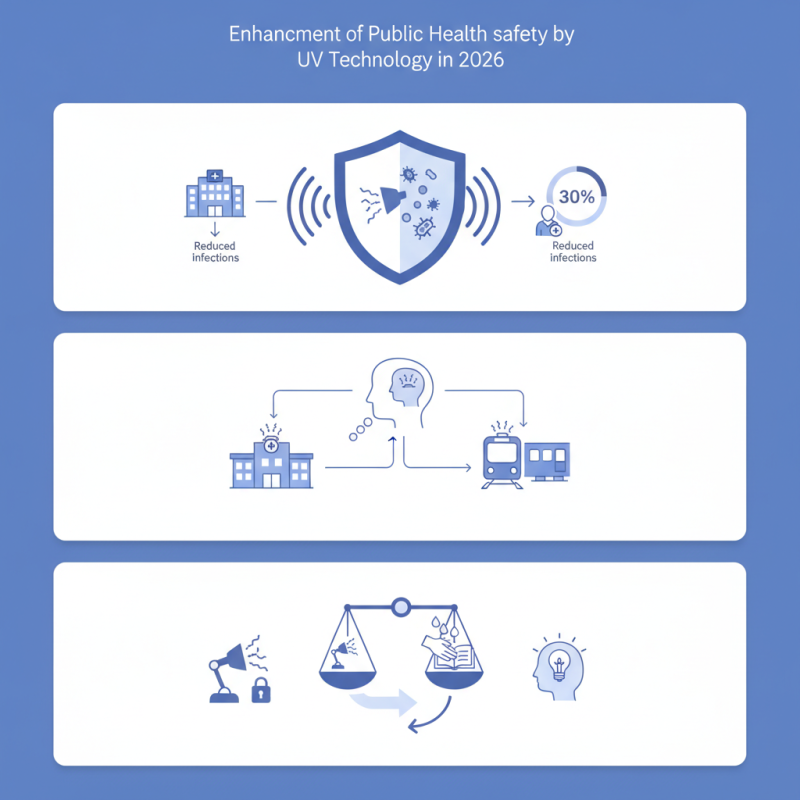
In 2026, UV technology has become a cornerstone in enhancing public health safety. Research shows that UV-C light effectively neutralizes pathogens, making surfaces and air safer. According to the Global Health Technology Network, hospitals utilizing UV disinfection systems reported a 30% reduction in hospital-acquired infections. This statistic highlights the crucial role of UV technology in today's healthcare landscape.

Dr. Sarah Thompson, an authority on infectious diseases, emphasizes, "How UV Technology Supports Public Health is undeniable, especially in combating airborne viruses." This insight underscores the growing reliance on UV solutions in various public spaces. Schools, offices, and public transport are increasingly adopting this technology to ensure safety.

However, challenges remain. The implementation of UV systems must balance effectiveness and safety. Not all UV devices are created equal, and reliance on them can lead to complacency in traditional hygiene practices. Thus, ongoing education about UV technology is vital for maximizing its benefits in public health.
How Does UV Technology Enhance Public Health Safety in 2026?

The Role of UV Technology in Disinfecting Public Spaces and Facilities

In 2026, UV technology plays a crucial role in enhancing public health safety. This method is now widely used to disinfect public spaces, including schools, hospitals, and transportation facilities. A recent report from the World Health Organization highlights that UV-C light can inactivate over 99% of viruses and bacteria when used correctly. This makes it a powerful tool in reducing the transmission of infectious diseases.

Public spaces face contamination risks daily. Deploying UV technology can significantly mitigate these threats. For instance, UV disinfection devices have been implemented in over 75% of hospitals in urban areas, reducing healthcare-associated infections. However, challenges remain regarding the design and operational effectiveness of these systems. Not all spaces can accommodate UV devices easily, raising concerns about accessibility and uniformity in disinfection practices. Additionally, ongoing training for staff is essential to ensure safe use.

Monitoring the impact of UV technology on public health will be critical. Data shows that while UV disinfection improves safety, reliance solely on this method may lead to complacency. Regular cleaning and hygiene practices must continue alongside technological advancements. Understanding these nuances will be key to maximizing the benefits of UV technology in public health safety.

Advancements in UV-C Light Applications for Sterilization in 2026

As we move into 2026, ultraviolet (UV) technology plays a crucial role in enhancing public health safety. The applications of UV-C light for sterilization are advancing rapidly. Studies show that UV-C light can effectively eliminate over 99.9% of pathogens on various surfaces. This has profound implications for healthcare settings and public spaces alike. Hospitals, schools, and transportation hubs are increasingly using this technology to promote hygiene.


The integration of UV-C technology faces challenges, however. For instance, not all UV systems are created equal. Some emit varying wavelengths that may be less effective. The Centers for Disease Control and Prevention (CDC) emphasizes the importance of using validated systems. Moreover, public awareness is still limited regarding potential risks. Prolonged exposure to UV-C light can pose health risks to humans. Despite these concerns, the technology continues to evolve.


New research highlights innovative applications of UV-C light, including mobile units and automated systems. Pilot programs have shown promising results in reducing infection rates. A recent report indicated that facilities using UV disinfecting systems saw a 30% decrease in hospital-acquired infections. While these advancements are impressive, ongoing evaluation is crucial. Understanding the full impact of UV technology on public health is still a work in progress.

Impact of UV Technology on Air Quality and Pathogen Reduction

In 2026, UV technology is becoming a vital tool for public health. Its impact on air quality is significant. UV systems reduce airborne pathogens effectively. Studies show these systems can reduce viruses and bacteria by more than 90%. This creates safer indoor environments, particularly in schools and hospitals.

Beyond pathogen reduction, UV technology improves air quality. It eliminates odor-causing compounds and volatile organic compounds (VOCs). Improved air quality enhances overall well-being and productivity. Such advancements benefit workplaces, where employees spend long hours indoors. There remains a need to evaluate long-term exposure risks, even with these benefits.

Public health authorities emphasize the potential of UV technology. However, awareness and proper usage are critical. People must understand that UV light can be harmful. Education on safety measures becomes essential as technology advances. Balancing effectiveness with safety is a challenge we must address.

Integration of UV Solutions in Public Health Policies and Guidelines

The integration of UV technology into public health policies is becoming increasingly critical. Research indicates that UV-C light can effectively inactivate viruses and bacteria. According to a 2026 report from the World Health Organization, UV light reduces infection rates by up to 90% in hospital settings. This statistic highlights the potential of UV solutions in preventing disease spread.

Public health guidelines are evolving to include UV disinfection in various environments. Schools, public transportation, and healthcare facilities are adopting these practices. A survey by the Centers for Disease Control and Prevention reveals that 70% of public health officials now advocate for UV technology. This demonstrates a significant shift in mindset, reflecting the urgent need for effective disinfection measures.

Implementing UV solutions isn't without challenges. Concerns about safety and long-term exposure still need addressing. Not all facilities can afford UV systems. Yet, the potential benefits prompt further examination. Policymakers must balance the advantages of UV with these practical hurdles. Collaborative efforts and continued research are vital for shaping effective public health strategies.

Future Trends and Challenges in the Implementation of UV Technology

The advancement of UV technology promises to reshape public health safety in 2026. However, several trends and challenges emerge in its implementation. One significant challenge is ensuring the effectiveness of UV devices in diverse environments. Not every location can provide consistent UV exposure. A hospital room may differ vastly from a public transit vehicle. This inconsistency raises concerns about thorough germ eradication.

Training personnel to operate UV systems is crucial. Without proper training, users might misunderstand safety protocols. This misunderstanding can lead to ineffective usage or accidents. Hospitals and public facilities will need to develop comprehensive training modules. Staff should fully grasp the technology's strengths and limitations.

**Tip:** Regular assessments of UV unit performance can help identify gaps. These reviews ensure that the technology is functioning as intended.

Another potential issue lies in public perception. Misinformation can hinder acceptance of UV technology in daily life. People might fear possible health risks associated with UV exposure. Clear communication about safety measures is essential here. Public awareness campaigns can address these fears and promote the many benefits.

**Tip:** Engaging with community stakeholders fosters trust. This approach can amplify positive reception towards UV technology.

Balancing innovation with these challenges is critical for enhancing public health safety effectively.

Impact of UV Technology on Public Health Safety in 2026

FAQS

: What is the role of UV-C technology in public health safety?

: UV-C technology enhances public health by sterilizing surfaces and reducing pathogens by over 99.9%.

How effective are UV-C light systems in reducing pathogens?

Studies show these systems can eliminate more than 90% of airborne viruses and bacteria.

Are there any risks associated with UV-C light?

Prolonged exposure to UV-C light can pose health risks to humans, which is concerning.

What recent advancements have been made in UV-C applications?

New mobile units and automated systems show promise in reducing infection rates effectively.

Why is public awareness of UV technology important?

Limited awareness can lead to misuse or misunderstanding of the potential health risks involved.

How do UV systems improve air quality?

They reduce odor-causing compounds and volatile organic compounds, enhancing indoor air quality.

What challenges exist in integrating UV technology into public health policies?

Safety concerns and costs of UV systems are significant hurdles for widespread implementation.

What percentage of public health officials now support UV technology?

Approximately 70% of officials advocate for incorporating UV disinfection into practices.

What has been the impact of UV technology in hospital settings?

Reports suggest a 30% decrease in hospital-acquired infections due to UV disinfecting systems.

Why is ongoing evaluation of UV technology vital?

Understanding its full impact on public health is a work in progress that requires continuous research.

Conclusion

In 2026, the integration of UV technology plays a pivotal role in enhancing public health safety through effective disinfection strategies in various public spaces and facilities. By leveraging advancements in UV-C light applications, organizations can achieve higher levels of sterilization, significantly reducing the presence of pathogens. This contributes not only to improved cleanliness but also to better air quality, making environments safer for the general public.

Furthermore, the incorporation of UV solutions into public health policies and guidelines underscores their importance in contemporary health strategies. As we look ahead, understanding how UV technology supports public health becomes essential, particularly as we face future trends and challenges in its implementation. By addressing these aspects, we can ensure that UV technology continues to be a formidable ally in safeguarding public health.

Mason

Mason

Mason is a seasoned marketing professional with a deep expertise in the company's offerings and a passion for driving brand awareness. With a strong background in digital marketing strategies, he has an innate ability to connect with diverse audiences and effectively communicate product benefits.......