In the pursuit of optimal healthcare hygiene standards, the integration of advanced technologies has become vital. One such innovation is the use of ultraviolet (UV) systems. These systems play a crucial role in enhancing sanitation practices across medical facilities. Dr. Emily Carter, a leading expert in infection control, emphasizes, "How UV Systems Support Healthcare Hygiene Standards is not just an option; it is essential for patient safety."
UV systems effectively eliminate harmful pathogens. Hospitals that have implemented these technologies report significantly lower infection rates. However, the journey toward full efficiency is ongoing. Many facilities still grapple with best practices for UV system use. Ensuring proper placement and adequate exposure time is crucial. It’s clear that while UV technology offers powerful solutions, the knowledge gap can hinder its potential.
As healthcare providers continue to navigate the complexities of maintaining hygiene, the discussion around UV systems becomes more prominent. The importance of education and training cannot be overstated. Addressing these challenges is vital for maximizing the benefits of UV technology in clinical settings. As Dr. Carter notes, continual improvement is necessary for healthcare hygiene standards to keep pace with evolving threats.
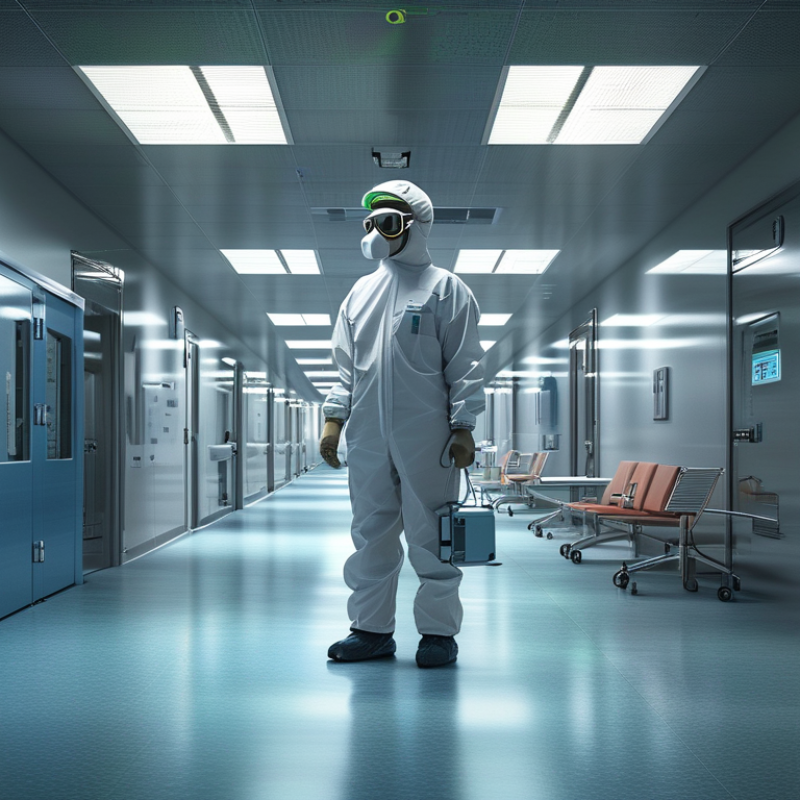
What are UV Systems and How Do They Function in Healthcare?
Ultraviolet (UV) systems play a pivotal role in enhancing healthcare hygiene standards. These systems use UV-C light to eliminate pathogens. Unlike chemical disinfectants, UV systems offer a physical method of decontamination. They disrupt the DNA of bacteria, viruses, and fungi, making them unable to reproduce and spread. This technology is increasingly used in hospitals, clinics, and laboratories.
The functionality of UV systems is straightforward yet effective. They emit UV light at specific wavelengths, targeting microorganisms. The exposure time and intensity determine the level of disinfection. However, the effectiveness relies on proper installation and maintenance. There can be shadows that prevent UV light from reaching all surfaces. This inconsistency can lead to areas that remain contaminated.
While UV systems are powerful tools, they are not a standalone solution. Staff training is crucial for safe operation. Users must understand the limitations of UV technology. Safe usage and thorough cleaning practices must accompany UV disinfection. Only then can healthcare facilities achieve optimal hygiene standards. The integration of UV systems into existing protocols can enhance safety but requires ongoing evaluation and adjustment.
Impact of UV Systems on Healthcare Hygiene Standards
The implementation of UV systems in healthcare settings has significantly reduced infection rates. This chart illustrates the decrease in infection rates from 12% before the implementation of UV systems to just 3% after their adoption, highlighting the positive impact of UV technology on hygiene standards in healthcare facilities.
The Role of UV Systems in Eliminating Pathogens in Healthcare Settings
Ultraviolet (UV) systems are transforming hygiene standards in healthcare facilities. These systems work by emitting UV light that disrupts the DNA of harmful pathogens. This process effectively reduces the presence of viruses and bacteria on surfaces and in the air. Many hospitals and clinics now integrate UV technology into their cleaning protocols. It complements traditional methods and heightens overall cleanliness.
In practice, UV systems are particularly useful in high-risk areas like operating rooms and intensive care units. They can sanitize equipment and surfaces that may be overlooked during routine cleaning. However, it’s important to note that UV light requires proper usage protocols to be effective. For instance, surfaces must be free of debris to ensure the light reaches all areas. Moreover, staff must be trained on safe usage to avoid potential skin or eye exposure.
While UV systems offer significant benefits, challenges remain. Not all pathogens respond equally to UV light. Variability in equipment efficacy also raises questions about reliability. Facilities must remain vigilant, combining UV technology with other cleaning methods to uphold safety standards. Addressing these imperfections will be vital for ongoing improvements in healthcare hygiene.
Benefits of Using UV Systems for Infection Control in Hospitals
Infection control is critical in healthcare settings. Hospitals face immense challenges in maintaining hygiene standards. UV systems have emerged as a reliable solution in this context. Research shows that UV-C light can inactivate up to 99.9% of pathogens, making it an effective tool for reducing hospital-acquired infections. A 2021 study found that hospitals using UV systems reported a significant drop in infection rates, highlighting their importance in infection control strategies.
One key benefit of UV systems is their ability to sanitize surfaces effectively. Traditional cleaning methods may miss hidden pathogens. UV light ensures comprehensive coverage, even in hard-to-reach areas. However, it’s crucial to recognize that UV light should complement, rather than replace, standard cleaning practices.
Tip: Regularly assess the effectiveness of your infection control measures. Routine feedback can identify gaps in protocol. Also, train staff on the proper use of UV systems to maximize their benefits. Ensure that all safety measures are adhered to during operation to maintain a safe environment.
Comparative Analysis: UV Systems vs. Traditional Disinfection Methods
In healthcare environments, effective disinfection is crucial. UV systems and traditional methods each have their benefits and drawbacks. Studies show UV systems can reduce pathogens by up to 99.9% in just seconds, according to research published in the Journal of Hospital Infection. In comparison, traditional methods like chemical disinfectants typically require longer contact times. This difference highlights how UV systems can significantly speed up the disinfection process.
However, UV systems are not without limitations. They require proper placement for optimal efficiency. Shadows can create areas that are less effectively disinfected. Additionally, UV light can degrade materials over time, requiring careful consideration of the equipment used. In contrast, traditional methods can cover complex surfaces but may leave residues that contribute to health risks. According to the Centers for Disease Control and Prevention (CDC), about 70% of healthcare-associated infections could be prevented with improved disinfection practices.
Tip: Regular training on UV system use is essential for staff. Understanding how to deploy these systems effectively maximizes their potential.
Monitoring and validation are vital. Knowing the areas that require focus ensures no surface is neglected. Periodic assessments help maintain high hygiene standards. Many hospitals report that integrating both UV and traditional methods offers the best results. Balancing these approaches can optimize cost, safety, and effectiveness.
Real-World Applications of UV Technology in Healthcare Hygiene Practices
UV technology is transforming hygiene practices in healthcare settings. Hospitals and clinics now utilize UV systems to disinfect surfaces and equipment, significantly reducing the spread of infections. According to a 2021 report by the World Health Organization, healthcare-associated infections (HAIs) affect millions globally. Implementing UV disinfection can decrease these rates by up to 30%.
One major application is in patient rooms and operating theatres. For instance, after discharge, UV systems can thoroughly sanitize the environment. Studies reveal that UV-C light can eliminate up to 99.9% of pathogens within minutes. This rapid action is vital, especially during peak infection seasons. UV technology enhances safety, creating a healthier environment for patients and staff alike.
Tip: Regularly maintain UV systems to ensure optimal performance. Dust and obstructions can affect their efficiency. It’s essential to train staff on proper usage and limitations of UV disinfection.
However, challenges remain. Not all surfaces can be fitted for UV cleaning, and shadows can leave areas untreated. Continuous assessment and adaptation are needed to maximize effectiveness. Ensuring every corner of a room is reached is critical in maintaining high standards of hygiene.
FAQS
: UV systems are used to enhance hygiene by eliminating pathogens with UV-C light.
They emit specific wavelengths of UV light, disrupting the DNA of microorganisms.
No, they should not stand alone. Other cleaning practices must complement their use.
High-risk areas like operating rooms and intensive care units benefit greatly from UV disinfection.
Not all pathogens respond to UV light, and shadows can prevent effective disinfection.
Staff training is crucial for safe operation and understanding limitations of UV technology.
Surfaces must be free of debris. Otherwise, UV light may not effectively sanitize them.
Research shows UV systems can inactivate up to 99.9% of pathogens, aiding infection control.
Regular assessments and ongoing staff training are necessary for optimal usage and safety.
Monitor protocols and ensure safety measures are followed during operation for best results.
Conclusion
UV systems have become an integral part of modern healthcare hygiene practices, significantly enhancing infection control measures in hospitals and clinics. They operate by emitting ultraviolet light, which effectively kills or neutralizes pathogens, making healthcare environments safer for both patients and staff. By eliminating harmful microorganisms that may linger on surfaces and in the air, UV systems play a crucial role in maintaining high hygiene standards in healthcare settings.
In comparing UV systems to traditional disinfection methods, it is clear that UV technology offers unique advantages such as rapid disinfection times and the ability to reach areas that may be difficult to clean using conventional methods. Real-world applications demonstrate the efficacy of UV systems in various healthcare settings, further supporting the assertion that UV systems enhance infection control protocols. Ultimately, understanding how UV systems support healthcare hygiene standards is essential for improving patient outcomes and preventing the spread of infections in medical environments.
 Dextra Light
