How Does UV Sterilization Reduce Chemical Usage in Industries?

Time:2026-07-01 Author:Madeline
0%

In recent years, industries have sought innovative methods to improve sustainability. One such method is UV sterilization. This technology is gaining attention for its efficiency in disinfection. However, it also plays a crucial role in reducing chemical usage. How UV Sterilization Helps Reduce Chemical Usage is a significant topic today.

UV sterilization utilizes ultraviolet light to kill harmful microorganisms. This process minimizes the need for chemical disinfectants. For many industries, this is a game changer. Chemical use can lead to environmental harm and health risks. By adopting UV sterilization, companies can limit these issues.

Yet, there are challenges to consider. Not all industries may be ready for this shift. The initial costs and technology integration can pose barriers. Additionally, the effectiveness of UV treatment can vary based on factors like water quality. These complexities require careful planning and expert guidance. Understanding the full impact of UV sterilization on chemical usage is essential.
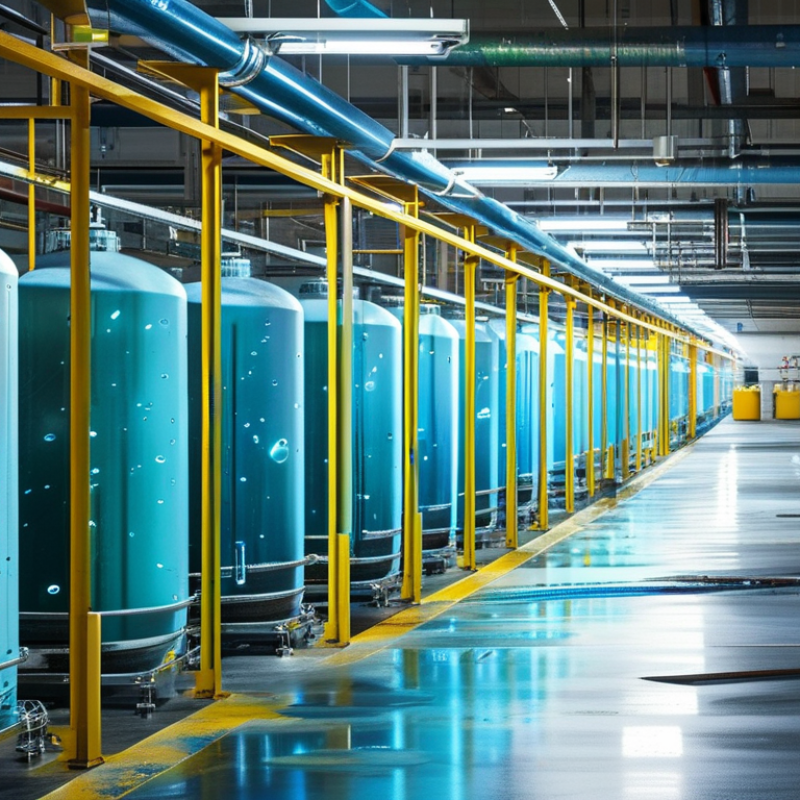
How Does UV Sterilization Reduce Chemical Usage in Industries?

Understanding UV Sterilization: Principles and Mechanisms

Ultraviolet (UV) sterilization is gaining attention in various industries. This method utilizes UV light to eliminate microorganisms. The effectiveness stems from its ability to disrupt the DNA or RNA of bacteria, viruses, and fungi. As a result, UV sterilization can significantly reduce the need for harmful chemicals.

In many manufacturing settings, traditional sanitation methods rely heavily on chemical disinfectants. These chemicals often pose health risks to workers and can damage equipment. By implementing UV sterilization, industries can create a safer work environment. This approach not only lowers chemical costs but also simplifies waste disposal. However, some may question the complete efficacy of UV, as shadowed areas may not be effectively sterilized.

Understanding the principles behind UV sterilization is crucial. The intensity of UV light and exposure time must be calibrated precisely. Variability in water clarity and material types can also affect outcomes. This adds a layer of complexity that deserves attention. Industries must continually assess their processes to maximize UV effectiveness while minimizing chemical dependence.

The Role of UV Sterilization in Industrial Applications

UV sterilization has become a pivotal technology in various industrial applications, particularly in sectors such as food processing, pharmaceuticals, and water treatment. According to a 2021 report by the International UV Association, UV systems can reduce the need for chemical disinfectants by up to 90%. This reduction is not only beneficial for the environment but also enhances product safety.

In food processing, UV sterilization effectively eliminates pathogens without altering the food's chemical properties. For example, a study published by the Institute of Food Technologists highlighted that UV treatment could decrease microbial loads significantly. This process ensures that products remain safe while minimizing the use of harsh chemicals that can leave residues. The ability to maintain flavor and quality is vital in this industry.

Pharmaceutical manufacturers also find value in UV sterilization. A 2020 report from the World Health Organization noted that facilities utilizing UV technology could streamline their cleaning processes. By relying less on chemical sterilants, these facilities improved compliance with safety regulations. However, it's important to recognize that UV systems require precise calibration and maintenance. Without proper monitoring, the effectiveness of UV light can diminish, leading to potential risks.

Comparison of UV Sterilization and Traditional Chemical Methods

In recent years, UV sterilization has gained attention for its effectiveness in various industries. Unlike traditional chemical methods, which often rely on potent substances, UV sterilization uses light to kill bacteria and viruses. This reduces the need for harsh chemicals in processes. Fewer chemicals mean a safer environment for workers and less environmental impact.

However, it’s important to consider the limitations of UV sterilization. Not every surface is suitable for this method. Shadows can protect microorganisms from UV exposure. Additionally, UV light can degrade certain materials over time. Industries must evaluate the compatibility of UV sterilization with their processes. This is essential for maximizing its benefits.

Traditional chemical methods may still have a role in specific contexts. They can be effective for hard-to-reach areas or resistant pathogens. Balancing both approaches may be the key. Understanding the strengths and weaknesses of each method is critical for informed decisions.

Comparison of UV Sterilization and Traditional Chemical Methods in Reducing Chemical Usage

This chart compares the reduction in chemical usage when employing UV sterilization methods versus traditional chemical sterilization methods across various industries, showcasing the effectiveness of UV technology in reducing chemical dependency.

Environmental Benefits of Reducing Chemical Usage through UV Technology

Ultraviolet (UV) sterilization is revolutionizing how industries manage chemical usages. This technology utilizes UV light to kill pathogens, fundamentally reducing the need for harmful chemical disinfectants. According to recent estimates from environmental studies, switching to UV systems can cut chemical usage by up to 80%. Such a shift not only protects workers but also minimizes environmental hazards associated with chemical disposal.

The reduction of chemical reliance has broader ecological benefits. Industries that adopt UV technology report a significant decrease in water pollution, as fewer chemicals enter waterways. The National Institute of Health notes that fewer chemical treatments lead to cleaner effluent, enhancing aquatic ecosystems. Moreover, reducing chemical production lessens greenhouse gas emissions. Research suggests that moving towards UV sterilization could potentially prevent millions of tons of carbon emissions annually.

Despite these advantages, challenges remain. Not every facility can immediately switch to UV systems, often due to financial constraints or infrastructure limitations. Continuous education and support are vital for industries to realize the long-term benefits of UV sterilization. Exploring further developments and innovations in UV technology will be essential to bridging these gaps in adoption.

Case Studies: Successful Implementation of UV Sterilization in Industries

UV sterilization is reshaping how industries manage sanitation. One notable case study comes from the water treatment sector. A facility implemented UV sterilization to replace chemical disinfection methods. The results were striking. They reduced chemical usage by over 70%. This led to cleaner water without harmful residues. Employees reported improved working conditions and safety, free from harsh chemicals.


In the food processing industry, another case highlights the transition to UV systems. A company adopted UV light to disinfect surfaces and equipment. The shift minimized their reliance on chemical cleaners. This change not only lowered costs but also added a layer of safety for consumers. However, the initial investment in UV technology posed a challenge. They had to ensure proper training for staff.


These examples illustrate the benefits and hurdles of adopting UV sterilization. The success stories are compelling, yet refining these technologies still requires ongoing effort. Facilities continue to evaluate UV effectiveness to maximize its potential. Emphasizing proper maintenance and regular assessments will enhance reliability and performance. Such reflections will help industries capitalize on the benefits of UV sterilization while addressing its limitations.

FAQS

: What is UV sterilization?

: UV sterilization uses ultraviolet light to eliminate microorganisms by disrupting their DNA or RNA.

How does UV sterilization compare to traditional chemical methods?

UV sterilization reduces the need for harsh chemicals, creating a safer environment for workers and minimizing environmental impact.

What are the limitations of UV sterilization?

UV light can leave shadowed areas unsterilized, protecting some microorganisms. Certain materials may degrade with extended UV exposure.

How can industries maximize the effectiveness of UV sterilization?

Industries should calibrate UV intensity and exposure time, considering water clarity and material types to improve outcomes.

What are some challenges in implementing UV sterilization?

Initial investment and staff training are significant challenges. Ongoing assessments are necessary to evaluate UV effectiveness.

Are there any success stories of UV sterilization in industries?

Yes, a water treatment facility reduced chemical usage by over 70%, resulting in cleaner water and safer working conditions.

Is UV sterilization suitable for all surfaces?

No, UV sterilization is not effective on every surface, especially where shadows may occur, protecting microorganisms from exposure.

How does UV sterilization impact costs?

Transitioning to UV systems can lower chemical costs but may involve higher initial investments in technology and training.

What ongoing efforts are necessary after adopting UV sterilization?

Regular maintenance and evaluations of UV systems are crucial for enhancing reliability and addressing their limitations.

Can traditional chemical methods still be useful?

Yes, traditional methods may be effective for hard-to-reach areas or resistant pathogens, highlighting the need for a balanced approach.

Conclusion

The article "How Does UV Sterilization Reduce Chemical Usage in Industries?" explores the principles and mechanisms behind UV sterilization and its growing significance in industrial applications. By comparing UV sterilization with traditional chemical methods, it highlights the effectiveness of UV technology in achieving sanitation without the extensive use of harmful chemicals.

Through a series of case studies, the article illustrates successful implementations of UV sterilization across various industries, showcasing its ability to maintain high hygiene standards while significantly minimizing chemical usage. Overall, how UV sterilization helps reduce chemical usage not only benefits industrial operations by lowering costs and enhancing safety but also contributes to environmental sustainability by decreasing chemical waste and pollution.

Madeline

Madeline

Madeline is a dedicated marketing professional with a wealth of expertise in our company's core offerings. With a keen understanding of the industry, she brings a unique perspective to her role, consistently delivering high-quality content that highlights the superior aspects of our products. As......