Ultraviolet (UV) light has emerged as a powerful ally in the fight against microbial growth. Understanding how UV light helps prevent microbial growth can transform various industries, from healthcare to food safety. Its effectiveness lies in its ability to disrupt the DNA of bacteria, viruses, and fungi, rendering them unable to reproduce. Many facilities now use UV disinfection systems to maintain hygiene.
The applications are vast. Hospitals utilize UV light to sanitize surfaces and equipment, reducing infection rates. In water treatment plants, UV light effectively kills harmful microorganisms without introducing chemicals. However, the technology is not without limitations. Environmental factors can influence its efficacy, and over-reliance on UV systems may lead to complacency in traditional cleaning practices.
Research into UV light continues to evolve. While it shows promise, it's crucial to acknowledge potential gaps in knowledge. Users must remain informed about the proper usage and limitations of UV technology. Ultimately, the role of UV light in preventing microbial growth underscores the need for continuous innovation and vigilance in our health and safety protocols.
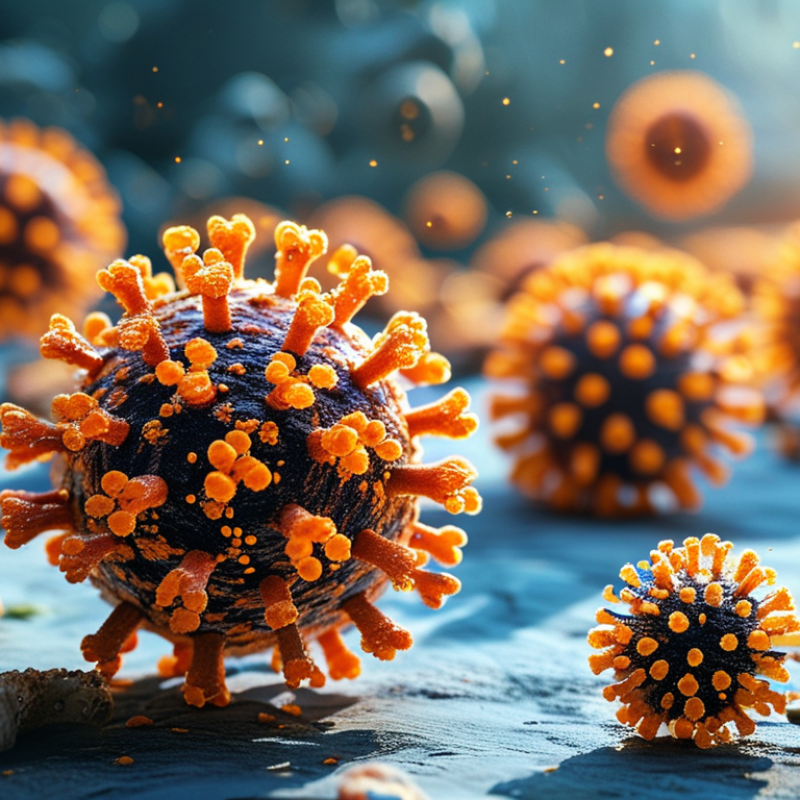
UV light serves as a powerful tool in preventing microbial growth. Understanding its principles and mechanisms is crucial for effective utilization. UV radiation disrupts DNA and RNA in microorganisms, rendering them unable to replicate. Research shows that UV light can achieve up to 99.9% reduction of pathogens in just a few seconds. This high level of efficacy is appealing in various applications, from water treatment to surface disinfection.
The effectiveness of UV light relies on several factors. Wavelength is key; UV-C light, typically between 200 to 280 nanometers, is most effective against bacteria and viruses. A 2021 study demonstrated that a dose of 40 mJ/cm² significantly reduced viral loads on surfaces. However, not all microorganisms respond equally. Some resistant strains demonstrate adaptation, making consistent monitoring essential.
While the advantages of UV light are clear, challenges remain. Shadowed areas may not receive adequate exposure, allowing microbes to survive. Furthermore, UV light can degrade certain materials over time, which requires careful assessment of the surfaces being treated. However, when applied correctly and regularly, UV technology offers a reliable strategy for maintaining hygiene and safety in various environments.
Ultraviolet (UV) light has become a crucial tool in microbial control. Different types of UV light, particularly UV-C, are most effective against harmful microorganisms. UV-C light operates at wavelengths between 200 and 280 nanometers. This range is lethal to bacteria, viruses, and mold spores. Research indicates that UV-C can reduce over 99.9% of specific pathogens in just a few seconds of exposure.
The effectiveness of UV light varies based on its intensity and duration of exposure. For instance, studies show that a UV dose of 40 mJ/cm² is effective for reducing Escherichia coli levels significantly. However, the efficiency can drop if surfaces are not properly cleaned. Shadows or barriers can prevent UV light from reaching certain areas. This limits its effectiveness, highlighting the need for proper application techniques.
Additionally, UV light does not discriminate between harmful and beneficial microbes. While it does kill pathogens, its use in broader settings must be carefully managed. This raises ethical questions about ecosystem balance. Experts recommend a combination of UV light and other sanitation methods for optimal results. By understanding the limitations and refining techniques, we can maximize UV light's role in microbial control.
UV light plays a crucial role in various industries for controlling microbial growth. Its applications range from healthcare to food processing and water treatment. In hospitals, UV light is employed to disinfect surfaces and air, significantly reducing infection rates. This method effectively targets bacteria and viruses, ensuring a safer environment for patients and staff.
In the food industry, UV light is used to enhance food safety. It eliminates pathogens on surfaces and in packaged foods. This process is essential in preventing foodborne illness outbreaks. The ability of UV light to penetrate and disrupt microbial DNA ensures that harmful microorganisms are rendered inactive. Implementation can vary; however, it’s essential to monitor exposure times to achieve optimal results.
When using UV light for microbial control, consider the distance from the source. Ensure proper placement to maximize effectiveness. Regular maintenance checks are crucial for equipment used in disinfection. Although UV light is reliable, it cannot replace thorough cleaning practices. Always combine various methods to ensure comprehensive microbial control.
| Application Area | Microbial Type Targeted | Efficiency Rate (%) | UV Light Type Used | Additional Benefits |
|---|---|---|---|---|
| Water Purification | Bacteria, Viruses | 99.9% | UVC | No chemicals required |
| Food Processing | Listeria, Salmonella | 90-99% | UVC | Extends shelf life |
| HVAC Systems | Mold, Bacteria | 85% | UVA, UVC | Improves air quality |
| Laboratories | Pathogens | 99.99% | UVC | Creates sterile environment |
| Healthcare Settings | MRSA, C. diff | 99.9% | UVC | Reduces healthcare-associated infections |
| Biosafety Cabinets | Airborne pathogens | 99.9% | UVC | Ensures safe working conditions |
| Aquarium Maintenance | Algae, Bacteria | 80-90% | UVC | Improves water clarity |
| Indoor Farming | Fungal pathogens | 95% | UVC | Enhances plant health |
| Wastewater Treatment | Pathogens | 99.9% | UVC | Reduces chemical usage |
| Pharmaceutical Manufacturing | Spores, Bacteria | 99.99% | UVC | Ensures product safety |
When comparing UV light to traditional disinfecting methods, the effectiveness of UV light stands out. This technology uses short wavelengths to eliminate microorganisms. It directly disrupts their DNA, preventing replication. In contrast, traditional methods often rely on chemical agents that may leave residues. UV light, on the other hand, offers a residue-free clean.
The speed of UV light is impressive. It can disinfect a surface in seconds, unlike chemicals which require contact time. However, it lacks the ability to clean visible dirt or organic matter. Any surface must be pre-cleaned for UV light to work effectively. Pay attention to coverage as some surfaces may cast shadows, creating areas that remain untreated.
For those exploring UV technology, ensure you have appropriate safety measures. UV light can be harmful to skin and eyes. While it is a powerful tool against microbes, it is not a standalone solution. Consider combining it with other methods for optimal results. Regular cleaning practices should still be in place to maintain hygiene effectively.
Using UV light for disinfection presents a promising solution for reducing microbial growth. However, safety and environmental considerations are critical when implementing this technology. Ultraviolet radiation can be harmful to both humans and animals. Prolonged exposure may lead to skin burns and eye damage. The World Health Organization emphasizes the need for protective measures.
Facilities employing UV disinfection should prioritize safety protocols. It is vital to install UV systems in areas inaccessible to the public during operation. Protective gear for maintenance staff is essential. Research shows that UV light effectively inactivates pathogens. Yet, overexposure can raise health risks. Studies indicate that peak UV-C wavelengths (around 254 nm) are effective but also dangerous. Monitoring systems can help mitigate risks.
Educating users about safe practices is paramount. Ensure that areas treated with UV light are clear of people and pets. Consider using UV sensors for real-time monitoring of exposure levels. The environmental impact of UV systems is generally low. Unlike chemical disinfectants, UV does not introduce harmful byproducts. Nevertheless, responsible use is crucial. Balancing efficacy and safety should guide the implementation of UV disinfection solutions.
: UV light disrupts the DNA and RNA of microorganisms, preventing replication.
UV-C light, between 200 and 280 nanometers, is the most effective for killing bacteria and viruses.
No, some resistant strains may adapt, so not all microorganisms respond equally to UV light treatment.
Shadows or barriers can hinder UV light exposure, allowing some microbes to survive despite treatment.
Yes, prolonged exposure can harm skin and eyes, making protective measures essential during use.
Install UV systems in inaccessible areas and provide protective gear for staff during maintenance.
Generally, UV treatment has a low environmental impact and does not create harmful byproducts like chemicals.
Keep treated areas clear of people and pets, and consider using UV sensors to monitor exposure levels.
Properly clean surfaces first and apply UV treatments regularly to ensure full effectiveness against pathogens.
UV light kills both harmful and beneficial microbes, which raises questions about maintaining ecosystem balance.
Ultraviolet (UV) light is a powerful tool in the fight against microbial growth, leveraging its unique principles and mechanisms of action to deliver effective disinfection. By understanding the types of UV light and their specific efficacy, industries can effectively apply this technology in various settings, from healthcare to food safety. How UV Light Helps Prevent Microbial Growth is underscored by its ability to damage the DNA of microorganisms, rendering them unable to reproduce and eliminating potential infections.
Moreover, a comparative analysis of UV light with traditional disinfecting methods reveals its advantages, including reduced chemical use and lower environmental impact. However, safety and environmental considerations must also be taken into account when implementing UV disinfection practices. Overall, the integration of UV light technology stands out as a promising solution for robust microbial control across multiple sectors, enhancing public health and safety.

Dextra Light