As the world faces increasing environmental challenges, innovative technologies are needed. One such advancement is UV disinfection technology. This method harnesses short-wavelength ultraviolet light to eliminate harmful microorganisms. Dr. Sarah Thompson, a leading expert in environmental science, emphasizes this point: “The Environmental Benefits Of UV Disinfection Technology are profound, offering a sustainable alternative to traditional chemical methods.”
The implications of UV disinfection technology extend beyond simple sanitation. By reducing reliance on harmful chemicals, we can prevent waterway contamination. This technology minimizes the carbon footprint associated with water treatment. Additionally, it enhances public health by providing cleaner water sources. The environmental benefits are clear. Yet, some critics argue that UV systems may not eliminate all contaminants. This highlights the need for continued research and refinement of these systems.
Investing in UV disinfection is not just a technological shift; it represents a commitment to a healthier planet. As adoption increases, we must remain vigilant. Exploring and addressing the limitations of UV disinfection ensures we maximize its positive environmental impact. Every step towards understanding the Environmental Benefits Of UV Disinfection Technology is a step toward a sustainable future.
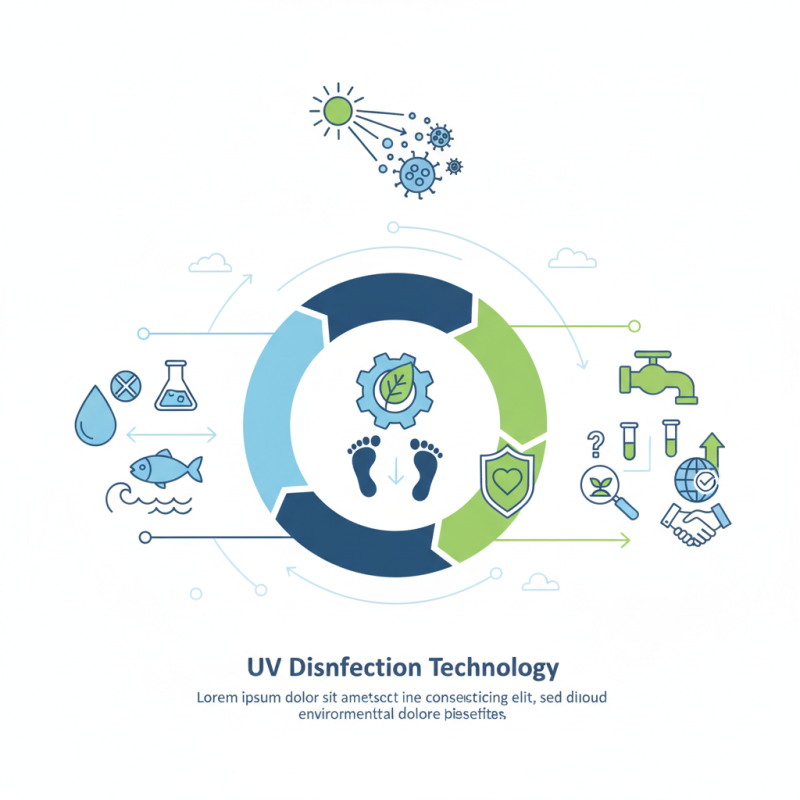
UV disinfection technology harnesses ultraviolet light to eliminate pathogens. It works by damaging the DNA or RNA of microorganisms, rendering them inactive. This process is efficient in various applications, from water purification to air sterilization. The wavelength used in UV light is crucial, as it targets specific microbial components effectively.
One notable aspect of UV disinfection is its environmental impact. Traditional chemical disinfectants can leave harmful residues. In contrast, UV disinfection produces no such byproducts. This means cleaner water and air without the risk of chemical contamination. Moreover, UV technology reduces the reliance on harmful substances, promoting a healthier ecosystem.
However, it is important to consider some challenges with UV disinfection. Not all microorganisms are equally susceptible to UV light. Some can develop resistance over time. Additionally, the effectiveness of UV disinfection can diminish in turbid water. These factors remind us that continuous research is required. Adapting and improving UV technology is essential for maximizing its benefits in environmental protection.
Traditional disinfection methods often rely on harsh chemicals. These substances can harm ecosystems and contribute to water pollution. According to a report from the U.S. Environmental Protection Agency, over 40% of surface water bodies show contamination from chemical disinfectants. This poses risks to aquatic life and flora. Utilizing chemical methods leads to chemical resistance in pathogens over time, complicating public health efforts.
In contrast, UV disinfection technology offers a more sustainable solution. It uses ultraviolet light to effectively inactivate bacteria and viruses without harmful byproducts. A study published in the journal “Environmental Science & Technology” found that UV disinfection reduces chemical runoff by approximately 70%, limiting environmental damage. This process does not introduce toxic compounds into the environment, making it safer for ecosystems.
Despite its benefits, UV technology has still limitations. Costs can be high for initial setup. Not all UV systems provide complete pathogen inactivation. An assessment from the World Health Organization highlighted that proper maintenance is essential for ensuring effectiveness. Addressing these challenges is crucial for wider adoption in various settings.
| Disinfection Method | Environmental Impact | Energy Consumption (kWh) | Chemical Use (liters) | Ecosystem Harm (1-10) |
|---|---|---|---|---|
| Chlorine Disinfection | High levels of toxicity to aquatic life | 15 | 10 | 8 |
| Ozone Disinfection | Produces harmful byproducts | 18 | 0 | 7 |
| UV Disinfection | Minimal impact, no harmful byproducts | 5 | 0 | 2 |
| Hydrogen Peroxide Disinfection | Controlled use, but still some impact | 10 | 5 | 5 |
UV disinfection technology provides a sustainable solution to water purification. By utilizing ultraviolet light, it effectively eliminates harmful microorganisms without introducing harmful chemicals. This process significantly reduces the need for traditional chemical treatments, thereby decreasing chemical waste. As a result, it minimizes the potential for pollution in our waterways and ecosystems.
Embracing UV disinfection can lead to cleaner water. Fewer chemicals mean less chance of harmful byproducts entering the environment. It’s a safer method for both water treatment facilities and consumers. However, the technology is not without challenges. Some facilities may still rely on older, chemical-heavy methods due to cost or infrastructure limitations.
Tips for implementing UV disinfection include assessing local water sources. Understand the specific contaminants present. Consider regular maintenance for UV systems to ensure maximum efficiency. Everyone benefits from cleaner water, and reducing chemical usage is a step forward. By exploring new methods like UV disinfection, we can take action toward a healthier planet, even while facing ongoing challenges.
UV disinfection technology plays a crucial role in water purification, impacting ecosystem health significantly. It effectively inactivates bacteria and viruses without introducing harmful chemicals. According to a report by the Water Quality Association, UV systems can achieve a log reduction of 99.99% for various pathogens, making them a reliable choice for safe drinking water.
Moreover, UV disinfection minimizes the environmental impact of chlorine and other traditional disinfectants. The EPA highlights that chlorine can produce harmful byproducts that affect aquatic life. By using UV light, ecosystems can better thrive as waterways remain free from these harmful residues. This shift is essential for preserving biodiversity and maintaining aquatic ecosystems' health.
However, UV disinfection is not without its challenges. The technology requires clear water to function effectively. High turbidity or organic matter can obstruct UV light, reducing its efficacy. Additionally, maintenance is crucial, as lamp efficiency can diminish over time. Ongoing research and development must address these limitations to ensure widespread, effective use in various environments.
Ultraviolet (UV) disinfection technology is making strides in sustainable environmental practices. As industries seek cleaner alternatives, UV technology emerges as a valuable solution. It effectively eliminates harmful pathogens in water, air, and surfaces without using harsh chemicals. This minimizes toxic waste and reduces the reliance on traditional disinfectants.
The advancements in UV technology are impressive. Newer systems are more efficient and energy-conscious. For example, low-pressure UV lamps now consume less power while maintaining high effectiveness. This transformation is not just technical; it reshapes how we view disinfection. However, challenges remain. Some users may lack understanding of proper device operation. Education and training are essential to maximize effectiveness.
Adopting UV disinfection opens doors to a cleaner environment. It complements other green technologies in waste management. Yet, the technology must be implemented responsibly. Over-reliance on UV systems can overshadow the importance of a holistic approach. Continuous improvement and thoughtful implementation are key as we move forward.
: UV disinfection technology uses ultraviolet light to eliminate harmful microorganisms by damaging their DNA or RNA.
Unlike chemical methods, UV disinfection produces no harmful byproducts. It offers a cleaner alternative with less environmental impact.
Yes, UV disinfection reduces reliance on harsh chemicals, limiting pollution and protecting aquatic ecosystems.
Not all microorganisms are equally affected by UV light. Some can become resistant, and effectiveness can drop in turbid water.
Continuous research helps to improve UV technology, maximizing its efficiency and effectiveness in various applications.
UV systems can achieve a log reduction of 99.99% for various pathogens, making them very reliable for safe drinking water.
Proper maintenance is essential for ensuring the effectiveness of UV systems. Lamp efficiency can decline over time.
UV disinfection works best with clear water. High turbidity can obstruct UV light, affecting its efficiency.
By minimizing harmful residues, UV disinfection supports healthier ecosystems and helps preserve biodiversity in waterways.
Initial setup costs can be high, which might restrict wider adoption in some areas.
UV disinfection technology offers significant environmental benefits, primarily by providing an effective alternative to traditional disinfection methods that often rely on harsh chemicals. Unlike conventional methods, UV disinfection does not introduce hazardous substances into the ecosystem, thereby reducing chemical waste and pollution. This technology plays a crucial role in water purification processes, ensuring cleaner water that is essential for ecosystem health and aquatic life.
Furthermore, advancements in UV technology contribute to sustainable environmental practices, enhancing the efficiency of disinfecting processes while minimizing energy consumption and resource use. By strategically implementing UV disinfection, we can significantly lessen our environmental footprint, promoting a healthier planet. Overall, the environmental benefits of UV disinfection technology are profound, aligning with the global shift towards more sustainable and eco-friendly practices.

Dextra Light