The topic of "Key Factors Affecting UV Sterilization Efficiency" is increasingly important in today's health-conscious society. Effective UV sterilization relies on several crucial factors. Understanding these elements helps improve outcomes in water treatment, air purification, and surface disinfection.
Several variables influence UV sterilization, including the intensity of UV light, the distance between the source and the surface, and the duration of exposure. Each of these factors plays a vital role in determining effectiveness. For instance, higher UV intensity can lead to faster and more effective sterilization. However, too much intensity may cause material degradation over time.
It’s essential to consider environmental conditions too. Factors like temperature and humidity can impact UV performance significantly. Inadequate assessments of these conditions can lead to suboptimal results and raise questions about reliability. As research continues to evolve, focusing on these key factors will enhance our understanding and application of UV sterilization technologies.
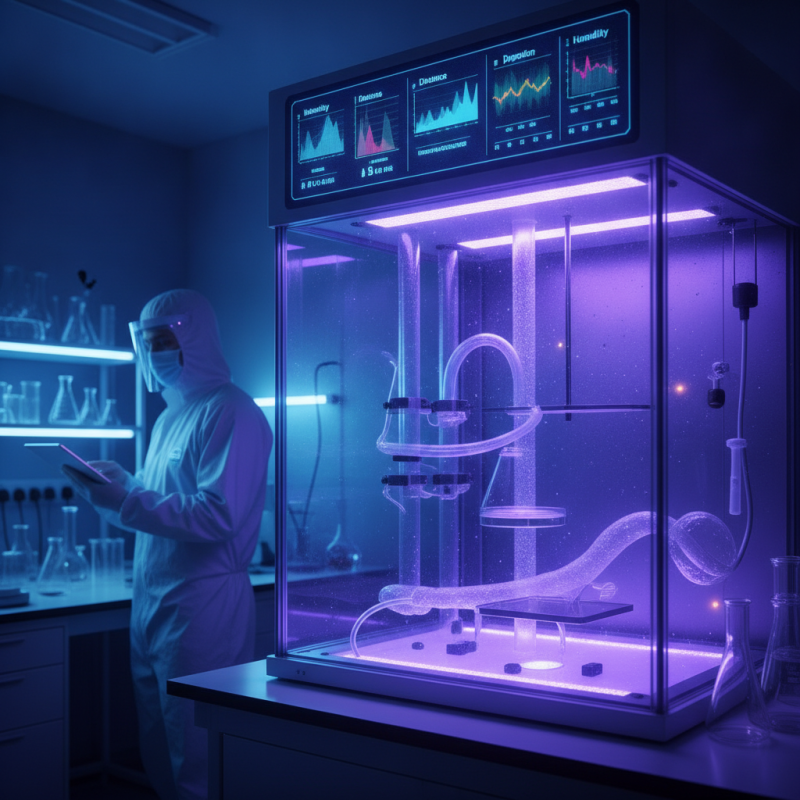
UV sterilization technology is increasingly recognized for its effectiveness in disinfection and microbial control. This method utilizes ultraviolet light, primarily UV-C, to penetrate the cellular structure of pathogens. The process disrupts their DNA, rendering them unable to replicate. Research indicates that UV light can significantly reduce bacteria and viruses in air, water, and surfaces.
However, UV sterilization efficiency is influenced by several factors. The intensity of the UV light plays a crucial role. Higher intensities typically yield better sterilization results. Additionally, the exposure time must be adequate to ensure pathogens are effectively eliminated. Factors like distance from the UV source can affect the light's reach and effectiveness. The presence of particles or organic materials can shield microorganisms from UV exposure.
While UV sterilization shows promise, there are limitations that require attention. Not all pathogens respond the same to UV light. Some may require longer exposure or higher intensities. Furthermore, UV sterilization does not provide residual disinfection, meaning surfaces can become contaminated again after treatment. Understanding these nuances is vital for maximizing the technology's potential.
Ultraviolet (UV) light plays a crucial role in sterilization. Its interaction with microorganisms is complex. Understanding this interaction is essential for maximizing efficiency. UV light targets the DNA of microorganisms. When exposed to specific wavelengths, typically around 254 nm, the DNA absorbs energy. This leads to the formation of dimers, disrupting replication and rendering pathogens inactive.
Research indicates that UV sterilization can achieve up to 99.9% reduction in microbial load under optimal conditions. However, factors like exposure time and distance from the UV source significantly influence outcomes. For instance, a study highlighted that increasing exposure from 10 to 30 seconds can enhance sterilization effectiveness substantially.
Not all microorganisms respond equally to UV light. Some bacteria have developed resistance mechanisms. Additionally, environmental factors like turbidity and shadowing can interfere with UV penetration. This means that while UV sterilization is powerful, it is not infallible. A combined approach using additional disinfection methods may be necessary in certain applications. The nuances of UV light interaction with microorganisms remain a vital area for ongoing research.
UV sterilization efficiency is influenced by several factors, particularly light intensity and distribution. The intensity of UV light directly affects how effectively it can neutralize pathogens. Higher intensity can lead to better disinfection outcomes, but it may not always be practical or safe. Different UV wavelengths also play a significant role. For instance, UV-C light is more effective for sterilization than UV-A or UV-B light. Knowing the right wavelength for specific applications enhances efficacy.
Light distribution is equally essential. Uneven distribution can create areas of shadow where microorganisms thrive. The placement of UV lamps is crucial for achieving consistent coverage. Reflective surfaces can also aid in distributing UV light more evenly. However, relying too much on reflection can lead to overexposure in some areas. One must consider the balance between intensity and proper distribution to achieve optimal results.
Environmental factors such as humidity and air circulation may also affect UV performance. A humid environment can interfere with UV effectiveness, as moisture may absorb or scatter the light. Airflow can help disperse pathogens but can also dilute UV intensity in certain areas. Continuous monitoring and adjustment might be needed to maintain sterilization standards. This highlights the complexities in optimizing UV sterilization systems.
| Factor | Description | Impact on Efficiency (%) | Measurement Method |
|---|---|---|---|
| UV Light Wavelength | The specific wavelength of UV light, typically UV-C at 254nm is most effective at inactivating microorganisms. | 85% | Spectrophotometry |
| Exposure Time | The duration the microorganisms are exposed to UV light. | 75% | Time Logging |
| Distance from UV Source | The distance between the UV light source and the surface being disinfected. | 60% | Distance Measurement |
| Water Clarity | The presence of turbidity or contaminants in water that can shield microorganisms from UV light. | 70% | Turbidity Testing |
| Lamp Output | The intensity and effectiveness of the UV lamp used for sterilization. | 80% | Output Measurement |
| System Design | The design and configuration of the UV sterilization system, including the number of lamps and reactor geometry. | 90% | Flow Simulation |
Water quality significantly impacts UV sterilization performance. The presence of suspended particles or turbidity in water can obscure UV light. This obstruction may reduce the effectiveness of sterilization efforts. Organic matter can also absorb UV light, making it less available to target pathogens.
When dealing with different water sources, consider testing the water quality. High levels of contaminants can hinder the UV process. Understanding the specific characteristics of the water is crucial. Proper filtration mechanisms can help.
Tip: Regularly monitor water quality for turbidity and organic content. A simple test kit can provide insights into these factors. Also, aim for clear water to maximize the efficiency of UV systems. This will enhance overall safety and hygiene.
Keep in mind that not all water is alike. Differences can lead to varying sterilization outcomes. Adjust your approach based on the specific context of the water source. This awareness can improve your UV sterilization results.
Advancements in UV sterilization systems have led to significant improvements in efficiency. A 2022 report by the Environmental Protection Agency noted that modern UV systems can achieve up to 99.99% germicidal effectiveness, a leap from earlier technologies. Innovations in bulb design, such as
low-pressure mercury lamps and LEDs, have contributed to this increase. These advancements enable systems to harness peak wavelengths for optimal disinfection.
Material science also plays a critical role. Research shows that UV-C resistant materials enhance system durability and performance. For instance, polymers infused with UV stabilizers can withstand prolonged exposure, resulting in lower maintenance costs. This longevity is crucial, particularly in healthcare settings where the risk of infection is high.
However, the efficiency of UV sterilization systems is not just dependent on technology. Factors like water clarity and flow rate also affect outcomes. Recent studies suggest that even minor turbidity can reduce UV penetration by up to 20%. Addressing these variables is essential for maximizing the effectiveness of these systems in real-world applications. Challenges remain, but ongoing advancements promise enhanced reliability in UV sterilization methods.
: UV sterilization technology uses ultraviolet light to disinfect and control microbial growth.
UV light disrupts the DNA of pathogens, preventing them from replicating effectively.
Intensity of the UV light, exposure time, and distance from the source impact sterilization results.
No, some pathogens require longer exposure or higher intensities for effective elimination.
No, surfaces can become contaminated again after UV treatment, requiring repeated applications.
Modern systems achieve up to 99.99% effectiveness due to advancements in bulb design and materials.
UV-C resistant materials, like polymers with UV stabilizers, enhance durability and reduce maintenance costs.
Water clarity and flow rate are critical; even slight turbidity can reduce UV effectiveness by up to 20%.
Yes, factors like distance, exposure time, and environmental conditions can complicate successful sterilization.
Understanding and addressing variables like water clarity and contaminant presence is vital for success.
UV sterilization technology is a powerful method for disinfecting water and surfaces by using ultraviolet light to inactivate microorganisms. Understanding the key factors affecting UV sterilization efficiency is essential for optimizing its application. The interaction of UV light with microorganisms primarily hinges on the wavelength, intensity, and duration of exposure. Additionally, factors such as water quality, including turbidity and the presence of dissolved solids, can significantly influence UV performance by affecting light penetration and distribution.
Recent advancements in UV sterilization systems and materials have further enhanced their effectiveness and efficiency. Innovations in reactor design and the development of more durable UV lamps have improved operational reliability while maintaining high sterilization rates. By comprehensively addressing these key factors, practitioners can implement more effective UV sterilization solutions tailored to specific applications.

Dextra Light