How To Properly Maintain UV Disinfection Systems for Best Results

Time:2026-06-19 Author:Ethan
0%

Maintaining UV disinfection systems is vital for ensuring their effectiveness in water treatment. Dr. Emily Carter, a leading expert in water sanitation, emphasizes, "Proper maintenance is key to achieving optimal UV performance." Understanding how to maintain UV disinfection systems properly can prevent costly failures and ensure safe water for communities.

Regular inspections are essential. Replace bulbs as recommended, usually every 12 months. Check quartz sleeves for cleanliness, as any buildup can impede UV light. Attention to these details can significantly enhance system efficiency. Disregarding maintenance guidelines, however, can lead to reduced effectiveness and unforeseen issues.

Training staff on best practices is another crucial step. Many operators may overlook routine tasks, thinking they are minor. Yet, neglect can lead to serious consequences. Engaging the team in proactive maintenance ensures that systems function as intended. Remembering that even small oversights can accumulate is vital. How to maintain UV disinfection systems properly can impact public health significantly.
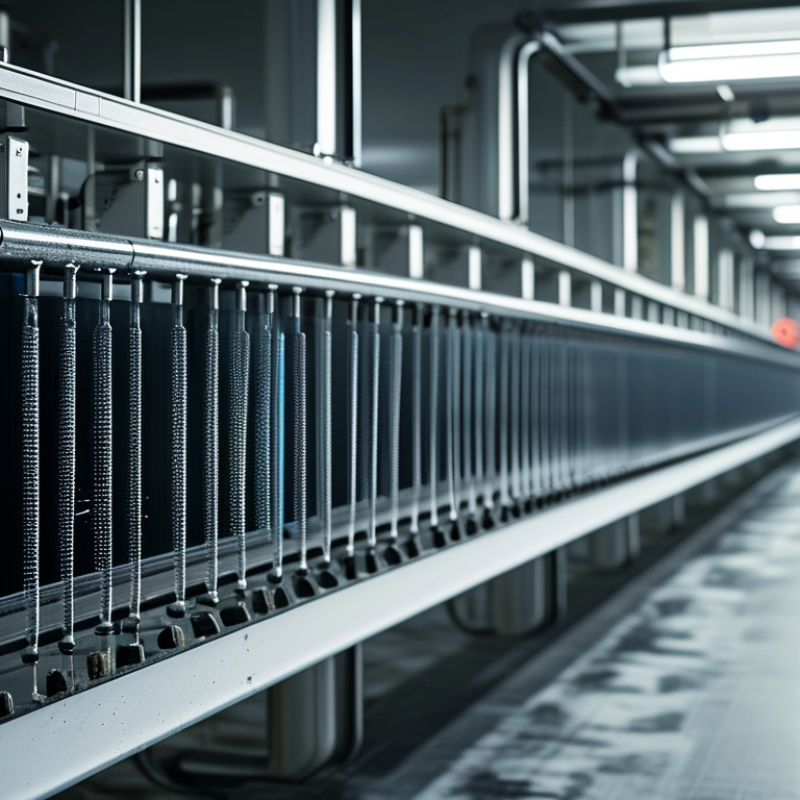
How To Properly Maintain UV Disinfection Systems for Best Results

Understanding UV Disinfection Systems: An Overview

UV disinfection systems have gained traction for their ability to eliminate pathogens effectively. These systems utilize ultraviolet light to disrupt the DNA of microorganisms, rendering them inactive. According to a 2021 report from the International Ultraviolet Association, UV disinfection can reduce viral loads by over 99.9% in water treatment applications. Understanding how these systems operate is crucial for leveraging their full potential.


Regular maintenance is essential to ensure the efficiency of UV disinfection systems. Factors such as lamp life and quartz sleeve cleanliness significantly impact performance. For example, a study published in the Journal of Water Supply Research and Technology highlighted that a dirty sleeve can reduce UV intensity by up to 20%. This reduction can affect disinfection efficacy and may lead to subpar results in microbial control. Operators must remain vigilant in monitoring UV intensity and replacing lamps per manufacturer guidelines.


Despite their effectiveness, challenges remain in the industry. Not all facilities prioritize routine inspections or timely maintenance, leading to performance lapses. Real-world cases demonstrate that neglecting these aspects can push systems beyond optimal functioning. Continuous education on best practices is needed to enhance user competence and ensure reliability in UV disinfection systems.

Key Components of UV Disinfection Systems

UV disinfection systems are essential for maintaining water quality in various settings. Understanding their key components can enhance efficiency and effectiveness. One crucial element is the UV lamp. These lamps emit germicidal light that disrupts the DNA of harmful microorganisms. Regularly checking and replacing lamps is necessary, as their output diminishes over time.

Another significant component is the quartz sleeve. This sleeve protects the UV lamp from water exposure. If it becomes dirty or damaged, it can reduce UV transmission. It's vital to clean the sleeve periodically and inspect it for any cracks. Additionally, the reactor chamber needs to be free of obstructions. Sediment buildup can block UV light, making disinfection less effective.

Monitoring the system’s performance is equally important. Regular testing of water quality will inform operators if the disinfection is sufficient. End users should keep a log of maintenance activities to spot trends over time. This can help identify when parts need replacing and ensures the system operates optimally. Recognizing these details can lead to better outcomes and safer water.

UV Disinfection System Maintenance: Key Component Performance

Routine Maintenance Tasks for Optimal Performance

Routine maintenance of UV disinfection systems is crucial for optimal performance. Regular checks ensure the system operates efficiently, minimizing contamination risk. According to industry reports, systems that follow a strict maintenance schedule can maintain effectiveness levels above 90%. This statistic emphasizes the importance of consistent upkeep.

Key maintenance tasks include regular cleaning of quartz sleeves. Accumulation of biofilms on sleeves decreases UV light penetration. A clean sleeve maximizes disinfection efficiency. Performing a visual inspection monthly helps identify issues early, preventing costly repairs. Additionally, monitoring the UV intensity is vital. Systems should typically achieve a minimum intensity of 40 mJ/cm² for effective disinfection.

Operators should replace UV lamps annually. Over time, lamp output diminishes and may fall below required thresholds. Failure to replace aging lamps can lead to ineffective disinfection. In fact, studies suggest that approximately 30% of disinfection failures stem from inadequate lamp maintenance. Regular documentation of maintenance activities supports compliance and aids in troubleshooting.

How To Properly Maintain UV Disinfection Systems for Best Results - Routine Maintenance Tasks for Optimal Performance

Maintenance Task Frequency Description Importance
Change UV Lamps Annually Replace UV lamps to ensure optimal disinfection performance. Critical
Clean Quartz Sleeves Monthly Remove any deposits on quartz sleeves to enhance UV light transmission. High
Inspect System Components Quarterly Check for any wear and tear on components such as seals and gaskets. Medium
Monitor UV Intensity Monthly Use a UV intensity meter to ensure the system is functioning properly. High
Check Flow Rate Biannually Ensure that the flow rate matches specifications for optimal UV exposure. Medium

Troubleshooting Common Issues in UV Systems

Troubleshooting issues in UV disinfection systems is vital for effective water treatment. Many facilities report decreased efficiency in their UV systems, often due to improper maintenance. A study by the Water Environment Federation shows that up to 30% of UV systems fail to meet performance standards due to such issues. Regular inspection of lamps and quartz sleeves is essential. Fouling of these components can drastically reduce UV output.

Another common issue is the fluctuation in water quality. Variations in turbidity can hinder UV effectiveness. Water with high turbidity may require pretreatment processes to maintain optimal conditions. Research indicates that UV systems should be operated within specified turbidity levels to achieve maximum disinfection. Facilities should consider monitoring turbidity levels closely and adjust their systems accordingly.

Also, ensure that the UV dosage remains consistent. Inadequate dosage can lead to inadequate disinfection, posing health risks. Regular calibration and performance testing of the system help identify discrepancies in dosage. When issues arise, troubleshooting should focus on these critical areas. Improved maintenance practices can enhance the reliability of UV disinfection systems significantly.

Best Practices for Monitoring UV System Effectiveness

Monitoring the effectiveness of UV disinfection systems is crucial for ensuring optimal performance. Regular assessment can help identify any potential issues before they escalate. Research indicates that over 20% of UV systems operate below optimal efficiency due to improper maintenance. Operators must implement a consistent monitoring schedule to avoid downtime and ensure water quality.

Key metrics include UV intensity and system throughput. Studies show that maintaining a minimum UV intensity of 40 mJ/cm² is critical for reliable pathogen inactivation. Routine maintenance checks and calibrations can help ensure the system operates within the desired parameters. Notably, a recent survey revealed that only 35% of facilities regularly monitor these crucial metrics. This oversight can lead to inadequate disinfection and increased health risks.

Automatic monitoring systems offer real-time data, enhancing decision-making. A proactive approach allows for immediate response to fluctuations. However, human oversight remains vital. Regular staff training can enhance understanding and interpretation of system data. Failing to prioritize staff expertise could undermine the efficacy of even the best technology. Ensuring a balance between automation and human intervention is essential for maintaining system integrity.

FAQS

: What is the main function of UV disinfection systems?

: UV disinfection systems use ultraviolet light to inactivate microorganisms by disrupting their DNA.

How much can UV disinfection reduce viral loads in water?

UV disinfection can reduce viral loads by over 99.9% in water treatment applications.

Why is regular maintenance important for UV systems?

Regular maintenance ensures efficiency and prevents performance issues. Neglect can lead to reduced disinfection efficacy.

What can dirty quartz sleeves affect in UV systems?

Dirty sleeves can reduce UV intensity by up to 20%, potentially leading to inadequate microbial control.

How often should UV lamps be replaced?

UV lamps should be replaced annually to maintain effective disinfection levels.

What consequences arise from inadequate lamp maintenance?

Inadequate lamp maintenance can result in about 30% of disinfection failures in UV systems.

How can water quality impact UV disinfection?

Variations in water quality, especially turbidity, can hinder UV effectiveness and require pretreatment processes.

What is the minimum UV intensity needed for effective disinfection?

A minimum intensity of 40 mJ/cm² is typically required for effective disinfection.

How can operators identify issues early in UV systems?

Regular visual inspections and monitoring UV intensity can help identify problems before they escalate.

What should be done if disinfection issues arise?

Troubleshooting should focus on lamp conditions, quartz sleeve cleanliness, and UV dosage consistency for better reliability.

Conclusion

Maintaining UV disinfection systems is crucial for ensuring their effectiveness in microbial control. Understanding the key components, such as the UV lamp, quartz sleeve, and ballast, helps in performing routine maintenance tasks efficiently. Regular activities include cleaning the quartz sleeve to prevent fouling and replacing the UV lamp as per the manufacturer’s recommendations. Troubleshooting common issues, like inconsistent output or malfunctioning sensors, can enhance overall system performance. Additionally, implementing best practices for monitoring the effectiveness of UV systems ensures that they operate at their peak efficiency.

To summarize, knowing "How To Maintain UV Disinfection Systems Properly" involves a thorough understanding of their components, routine maintenance, effective troubleshooting, and diligent monitoring. This holistic approach not only optimizes performance but also prolongs the lifespan of the systems, ultimately leading to better disinfection outcomes.

Ethan

Ethan

Ethan is a seasoned marketing professional with a deep expertise in our company's innovative product line. With a passion for sharing knowledge and insights, he takes the lead in regularly updating our corporate blog, where he explores industry trends, product features, and effective marketing......