 Dextra Light
5 Benefits Of UV Technology For Commercial Spaces You Should Know?
In today's fast-paced commercial environment, health and safety are more important than ever. According to Dr. Susan Reynolds, a leading expert in UV technology, "The Benefits Of UV Technology For Commercial Spaces are undeniable when it comes to enhancing indoor air quality." This insight highlights the growing recognition of UV technology's role in creating safer workspaces.
Commercial spaces face constant challenges with pathogens and air quality. Incorporating UV technology can significantly reduce harmful microorganisms. A notable benefit is its ability to sanitize air systems, providing a cleaner breathing environment. In turn, this leads to healthier employees and customers.
However, some business owners may hesitate due to cost or complexity. It's essential to weigh these concerns against the significant advantages. Investing in UV technology is not merely a trend; it’s a proactive step toward improving safety and productivity. Embracing the Benefits Of UV Technology For Commercial Spaces can redefine workplace standards, emphasizing well-being as a priority.
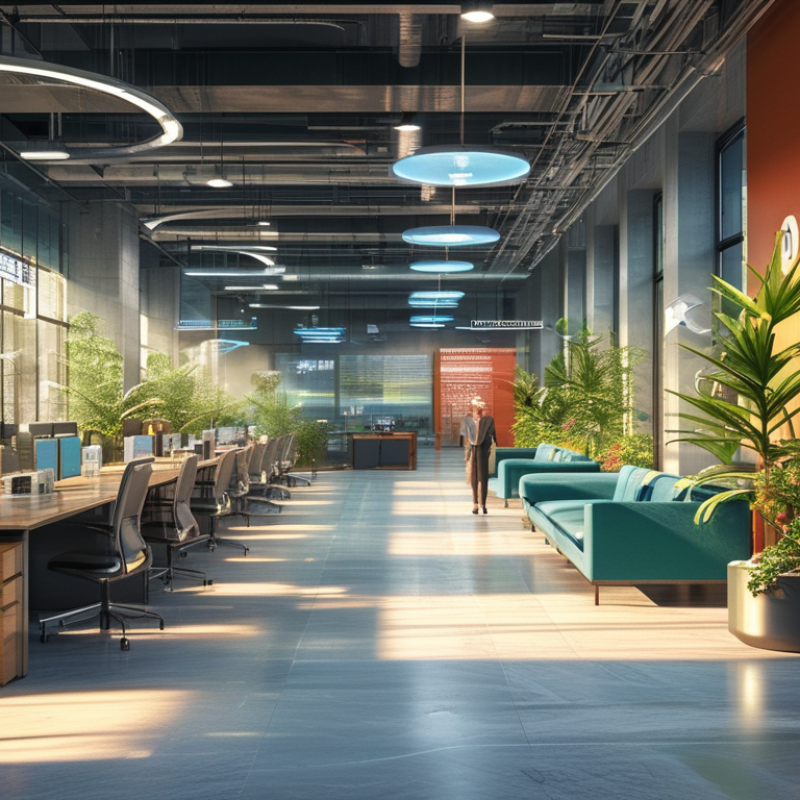
The Role of UV Technology in Enhancing Indoor Air Quality
UV technology offers significant benefits for enhancing indoor air quality in commercial spaces. By eliminating harmful pathogens, UV light creates a healthier environment for employees and customers. This is particularly vital in high-traffic areas like offices, restaurants, and retail stores. UV systems can reduce airborne viruses and bacteria, promoting better health and productivity.
Tips: Regular maintenance of UV systems is crucial. Ensure bulbs are replaced as recommended for optimal performance. Monitor effectiveness by testing air quality consistently to assess improvements.
Implementing UV technology requires careful consideration. Not all spaces are suitable for UV systems. Assess the specific needs of your environment. Proper installation is key to maximizing benefits while ensuring safety. Balancing energy use and health benefits can be challenging.
Tips: Educate staff about the benefits of UV technology. Awareness can foster a culture of health and safety. Gather feedback on air quality perceptions to refine your approach continuously. Using UV technology is a step toward better indoor environments.
5 Benefits Of UV Technology For Commercial Spaces You Should Know
| Benefit | Description | Impact on Indoor Air Quality | Applicable Spaces |
|---|---|---|---|
| Disinfection | UV technology effectively kills bacteria, viruses, and mold. | Improves air quality by reducing pathogens. | Offices, schools, hospitals |
| Energy Efficiency | Using UV lights can reduce the need for chemical disinfectants. | Lower chemical usage leads to fewer airborne pollutants. | Commercial kitchens, restaurants |
| Odor Removal | UV lights can break down volatile organic compounds (VOCs) that cause odors. | Reduces unpleasant smells and improves comfort. | Gyms, locker rooms, event spaces |
| Scalability | UV systems can be tailored to fit various space sizes and needs. | Improves air quality on tailored scales. | Retail spaces, office buildings |
| Cost-Effectiveness | Reduces long-term operational costs associated with sick building syndrome. | Enhances overall air quality, resulting in fewer health-related issues. | Corporate offices, healthcare facilities |
FAQS
: UV technology kills harmful pathogens, enhancing health for employees and customers in commercial spaces.
Regular maintenance is crucial. Replace bulbs as recommended for optimal performance and test air quality consistently.
Not every environment is ideal for UV installation. Assess specific needs to determine suitability before implementation.
Yes, UV light effectively reaches crevices that traditional cleaning may miss, ensuring thorough surface disinfection.
Proper guidelines are necessary for safe exposure. Training helps mitigate risks and ensures effective use of UV technology.
UV systems can cut HVAC energy use by up to 20%, leading to lowered operational costs and improved air quality.
Improved air quality can enhance employee productivity by up to 10%, supporting a healthier work environment.
Training fosters awareness and helps staff use UV systems effectively, enhancing energy efficiency and safety in the workplace.
Businesses must reflect on current practices, energy consumption, and the potential long-term benefits of UV technology.
While initial costs can be high, the long-term savings and health benefits often outweigh these expenses.
Conclusion
The article "5 Benefits Of UV Technology For Commercial Spaces You Should Know" highlights the transformative impact of ultraviolet (UV) technology in various commercial environments. One of the key benefits of UV technology for commercial spaces is its ability to significantly enhance indoor air quality by effectively reducing airborne pathogens and contaminants. Additionally, UV systems improve surface disinfection, ensuring that high-touch areas are sanitized, which is crucial in maintaining a safe workplace.
Further advantages include energy efficiency, as UV systems often consume less energy compared to traditional cleaning methods, leading to cost savings for businesses in the long run. Furthermore, incorporating UV technology helps reduce health risks for employees, creating a healthier work environment. Overall, the cost savings and long-term value associated with UV solutions make them an excellent choice for businesses looking to improve their operational efficiency and safety standards.
